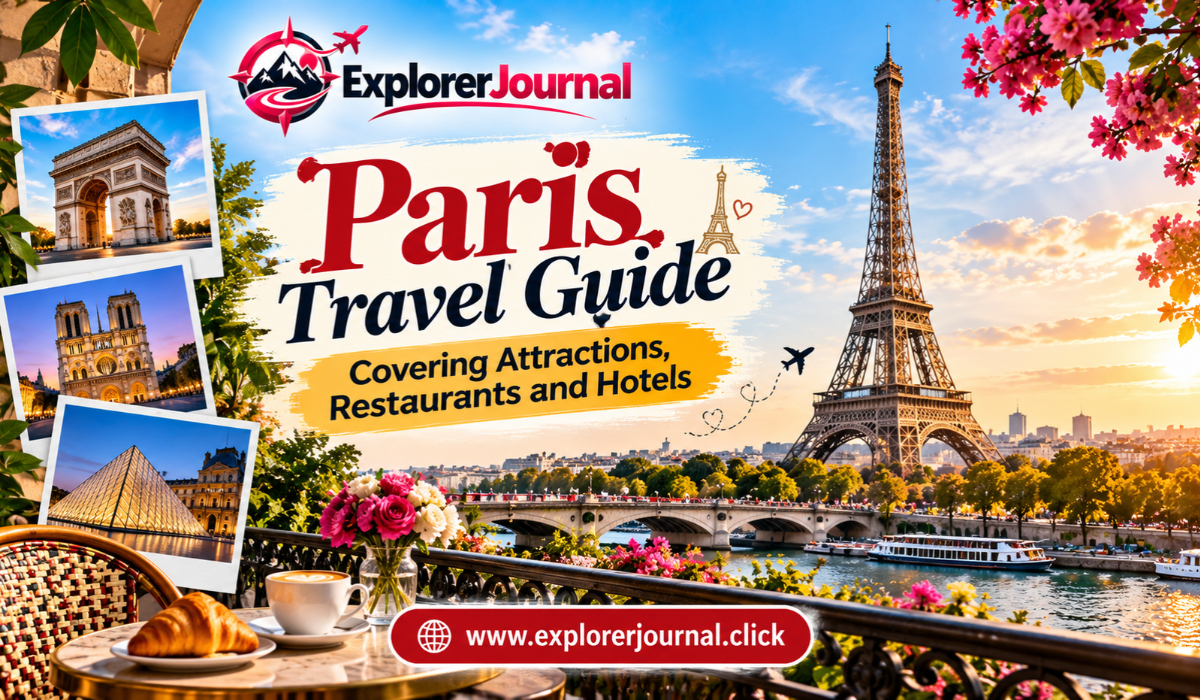
Paris is one of the most fascinating travel destinations in the world, attracting visitors with its historic landmarks, elegant streets, artistic heritage, memorable cuisine, and distinctive atmosphere. Known as the City of Light, the French capital offers a combination of cultural experiences and modern comforts that appeals to couples, families, solo travelers, and first-time international visitors. From the magnificent Eiffel Tower to charming neighborhood cafés, every part of Paris offers something worth discovering.
Planning a trip to Paris involves more than choosing famous attractions. Travelers also need to consider where to stay, which restaurants to visit, how to travel around the city, and when to explore its most popular landmarks. With thoughtful preparation, visitors can experience the best of Paris without feeling overwhelmed by its many choices.
This Paris travel guide covers the city’s major attractions, restaurant experiences, accommodation options, transportation, and practical tips to help you organize a memorable trip.
Discover the Charm of Paris
Paris is located in northern France along the Seine River and is celebrated for its architecture, fashion, museums, gardens, and culinary traditions. Its neighborhoods, known as arrondissements, each have a distinct identity. Some are famous for grand boulevards and luxury shopping, while others feature historic streets, independent boutiques, artistic communities, and relaxed cafés.
The city is particularly attractive to travelers who enjoy exploring on foot. A short walk can reveal a beautiful church, a traditional bakery, a riverside bookstall, or a peaceful public square. Paris also has an extensive public transportation network, making it convenient to travel between major attractions.
Whether you plan to spend a weekend or an entire week in the French capital, balancing well-known sights with neighborhood exploration can help you appreciate the city’s character.
Top Attractions to Visit in Paris
1. Eiffel Tower
The Eiffel Tower is one of the world’s most recognizable landmarks and a must-see attraction for many visitors to Paris. Built for the 1889 World’s Fair, this iron structure has become a defining symbol of the French capital.
Visitors can admire the tower from the surrounding Champ de Mars gardens or the Trocadéro area, both of which provide excellent photography opportunities. Those who want a closer experience can purchase tickets to access its viewing platforms and enjoy panoramic views across the city.
The Eiffel Tower is especially attractive in the evening when its lighting creates a memorable scene against the Paris skyline. Booking tickets in advance is advisable during busy travel periods, particularly if you want to visit the upper levels.

2. Louvre Museum

The Louvre Museum is one of the world’s most celebrated art museums, housing an extraordinary collection of paintings, sculptures, decorative objects, and historical artifacts. Its glass pyramid entrance has become an architectural attraction in its own right.
The museum is home to famous works, including Leonardo da Vinci’s Mona Lisa and the ancient Greek sculpture Venus de Milo. However, its extensive galleries also contain Egyptian antiquities, European paintings, and artworks from many other civilizations.
Because the Louvre is exceptionally large, visitors should plan their visit around a few preferred collections rather than attempting to see everything in one day. Reserving an entry time and checking the museum’s current opening arrangements can make the experience easier.
3. Notre-Dame Cathedral
Notre-Dame Cathedral stands on the Île de la Cité, an island in the Seine River that forms part of the historic heart of Paris. Known for its Gothic architecture, detailed stonework, and impressive stained-glass windows, the cathedral is an important part of the city’s cultural heritage.
After the devastating fire in 2019, Notre-Dame underwent extensive restoration and reopened to visitors in December 2024. Travelers can admire its architectural details and explore the surrounding island, which contains some of Paris’s oldest streets and historic landmarks.
Entry arrangements, visiting hours, and access to specific areas can change, so checking official visitor information before arrival is recommended.

4. Montmartre and Sacré-Cœur Basilica

Montmartre is a historic hilltop neighborhood known for its artistic heritage, narrow streets, independent galleries, and charming cafés. It was associated with numerous artists, including figures who helped shape modern European painting.
The Sacré-Cœur Basilica sits at the top of the hill and offers impressive views over Paris. Visitors can explore nearby streets, watch artists working around Place du Tertre, and discover small shops selling handmade souvenirs.
Montmartre is also a wonderful place to slow down and enjoy the everyday atmosphere of the city. Arriving early can help you experience its picturesque streets before the busiest sightseeing hours.
5. Arc de Triomphe and Champs-Élysées
The Arc de Triomphe commemorates French military history and stands at the western end of the Champs-Élysées. Its location makes it a useful starting point for exploring one of Paris’s most famous avenues.
The Champs-Élysées features international fashion stores, cafés, theaters, and restaurants. Visitors can walk toward Place de la Concorde while admiring the broad avenue and surrounding architecture.
For a memorable viewpoint, travelers can climb the Arc de Triomphe to see the city’s radiating avenues and the Eiffel Tower in the distance. Take care when approaching the monument because traffic around the roundabout is particularly busy; use the designated

6. Luxembourg Gardens

The Luxembourg Gardens offer a peaceful break from the busy streets of Paris. Located in the Latin Quarter area, the gardens feature tree-lined paths, flowerbeds, statues, fountains, and open lawns.
Visitors can sit beside the central pond, read a book, enjoy a leisurely walk, or watch local residents spending time outdoors. The gardens are particularly attractive in spring and summer, when flowers and greenery create a colorful setting.
Nearby streets contain bookstores, bakeries, and cafés, making this area suitable for a relaxed afternoon of sightseeing.
7. Musée d’Orsay
Housed in a former railway station, the Musée d’Orsay is especially popular with travelers interested in Impressionist and Post-Impressionist art. Its collection includes important works by artists such as Claude Monet, Edgar Degas, Pierre-Auguste Renoir, and Vincent van Gogh.
The building itself is worth exploring, with its large clock windows, high ceilings, and distinctive architectural design. Visitors can combine an art-focused morning with a walk along the Seine or a visit to nearby gardens.
Art enthusiasts should allow enough time to explore the permanent collections and check current exhibition schedules before visiting.

Best Restaurants and Food Experiences in Paris
Paris has a diverse culinary scene that ranges from traditional French cooking to international cuisine and modern dining concepts. Visitors can enjoy excellent meals at neighborhood bistros, bakeries, food markets, and upscale restaurants.
1. Traditional French Bistros
A traditional Parisian bistro is an excellent place to experience classic French dishes in a welcoming setting. Menus may include French onion soup, steak frites, duck confit, roast chicken, and seasonal vegetable dishes.
Many bistros offer changing menus based on available ingredients. Travelers should look for places with clearly displayed menus and choose restaurants that suit their budget and dining preferences.
Lunch can sometimes be a practical option for trying a restaurant that would be more expensive in the evening. Making reservations is sensible for popular establishments.
2. Café de Flore
Café de Flore, located in the Saint-Germain-des-Prés neighborhood, is one of Paris’s best-known historic cafés. It has long been associated with writers, artists, and intellectuals.
Visitors often come for coffee, hot chocolate, pastries, or a light meal while enjoying the atmosphere of a traditional Parisian café. Its location also makes it convenient for exploring nearby boutiques, galleries, and historic streets.
Because it is a famous destination, prices may be higher than at smaller neighborhood cafés. Travelers can decide whether the historic setting is worth including in their dining budget.
3. Le Procope
Le Procope is a historic restaurant in the Latin Quarter area, known for its long association with Parisian literary and intellectual life. Its traditional surroundings offer a different experience from the city’s modern restaurants.
The menu focuses on French cuisine, making it an interesting option for visitors who want to combine dining with a sense of history. Its location also allows travelers to explore the nearby Saint-Germain-des-Prés streets and other cultural attractions.
Checking the current menu and reservation availability before visiting is recommended.
4. French Bakeries and Patisseries
No Paris food guide would be complete without mentioning its bakeries and pastry shops. Fresh baguettes, buttery croissants, pain au chocolat, fruit tarts, éclairs, and macarons are among the treats visitors can discover throughout the city.
Instead of visiting only famous pastry shops, travelers should also explore local bakeries near their accommodation. These establishments are useful for a quick breakfast or an affordable snack between attractions.
For a simple Parisian morning, purchase a pastry and coffee, then enjoy them in a nearby square or garden where permitted.
5. Explore Parisian Food Markets
Food markets provide opportunities to discover French ingredients, regional specialties, cheeses, fresh produce, and prepared foods. Depending on the neighborhood and market schedule, visitors may find bakeries, seafood stalls, delicatessens, and small vendors selling seasonal products.
Markets can also be convenient for travelers staying in apartments or accommodation with kitchen facilities. They offer a chance to experience everyday Parisian shopping beyond the main tourist areas.
Always check operating days and hours because many markets follow specific weekly schedules.
Where to Stay in Paris: Best Neighborhoods and Hotels
Choosing the right accommodation can make a major difference to your Paris experience. The best area depends on your budget, preferred atmosphere, transportation needs, and planned activities.
1. Le Marais
Le Marais is a popular neighborhood with historic architecture, stylish boutiques, cafés, galleries, and lively streets. Its central location makes it convenient for exploring several cultural attractions.
Accommodation ranges from boutique hotels to serviced apartments. The area is particularly suitable for travelers who want to combine sightseeing with shopping, restaurants, and evening walks.
Its popularity can mean higher prices, so comparing accommodation options early is worthwhile.
2. Saint-Germain-des-Prés
Saint-Germain-des-Prés offers a classic Parisian atmosphere with literary cafés, art galleries, elegant streets, and fashionable shops. It is a good choice for visitors who enjoy walking through historic neighborhoods and dining at independent restaurants.
Hotels in this area often appeal to couples and travelers looking for a central location with a refined atmosphere. However, room rates can be relatively high, particularly during popular travel periods.
3. Latin Quarter
The Latin Quarter is known for its historic educational institutions, bookstores, restaurants, and lively streets. It provides convenient access to the Panthéon, Luxembourg Gardens, and parts of the Seine riverfront.
Travelers may find a range of accommodation types, including smaller hotels and budget-conscious options. The neighborhood is especially suitable for visitors who want a lively setting with plenty of casual dining choices.
4. Near the Eiffel Tower
Staying near the Eiffel Tower can be attractive for travelers who want easy access to one of Paris’s most famous landmarks. The surrounding residential streets include bakeries, restaurants, parks, and Metro stations.
Several hotels offer views of the tower, although these rooms may cost considerably more than standard accommodation. Check room descriptions carefully because a hotel near the Eiffel Tower does not necessarily provide a direct view.
5. Hotel Recommendations for Different Budgets
Paris has accommodation for a wide range of travel budgets. When comparing individual properties, consider the following established options:
Budget and practical stays: ibis Paris Tour Eiffel Cambronne 15ème is an option for travelers seeking a recognizable hotel brand and access to public transportation.
Comfortable city stays: Hôtel Le Six in the Montparnasse and Luxembourg Gardens area offers a boutique-style experience in a convenient part of the city.
Luxury accommodation: Le Meurice is a renowned luxury hotel near the Tuileries Garden, appealing to visitors looking for an upscale experience.
These properties represent different accommodation styles rather than a guarantee of current rates or availability. Prices change by season and room type, so compare recent reviews, cancellation policies, transport access, and total costs before booking.
How to Get Around Paris
Paris has an extensive public transportation system that includes the Metro, RER trains, buses, and trams. The Metro is particularly useful for reaching major attractions, while walking is often the easiest way to explore nearby streets and neighborhoods.
Visitors should check the current ticketing system and fare options before traveling. Digital travel tools can help with route planning, service changes, and journey times.
Taxis and app-based transport services are available, but road traffic can be heavy during busy periods. For many visitors, a combination of walking and public transportation is both convenient and economical.
Keep belongings secure in crowded stations, avoid displaying valuables unnecessarily, and use official transport services whenever possible.
Best Time to Visit Paris
Spring, from March through May, brings milder weather and blooming gardens. It is an appealing period for walking tours, outdoor cafés, and photography, although the weather can remain unpredictable.
Summer, from June through August, generally offers longer daylight hours and many outdoor activities. However, popular attractions can become crowded, and accommodation may be more expensive.
Autumn, from September through November, brings changing foliage and often comfortable sightseeing conditions in early autumn. Winter is colder, but festive decorations, seasonal markets, museums, and indoor dining provide plenty of reasons to visit.
The best season depends on your priorities. Travelers who prefer quieter streets may benefit from visiting outside peak holiday periods.
Practical Tips for Planning Your Paris Trip
Before traveling, confirm passport validity, visa requirements, travel insurance, and any relevant entry rules for France. Book popular attractions in advance when timed entry is available, particularly if your schedule is limited.
Plan your itinerary by neighborhood rather than crossing the city repeatedly. For example, the Eiffel Tower and nearby riverfront can be combined in one outing, while the Louvre and Tuileries Garden work well together.
Set aside money for meals, transport, attraction tickets, and unexpected costs. Learning a few French expressions, such as bonjour for hello and merci for thank you, can also make everyday interactions more pleasant.
Travelers should remain aware of pickpocketing in crowded tourist areas and public transportation. Keep important documents secure, use reputable accommodation providers, and check local information before visiting unfamiliar locations.
Most importantly, leave room for unplanned discoveries. A small bakery, a quiet riverside walk, or a neighborhood café can become one of the most memorable parts of a trip.
Paris offers an exceptional mix of historic attractions, world-class art, memorable food, and accommodation options for different travel styles. From the Eiffel Tower and Louvre Museum to Montmartre’s artistic streets, the city provides countless ways to discover French culture.
Its culinary experiences range from traditional bistros and historic cafés to neighborhood bakeries and food markets. Meanwhile, areas such as Le Marais, Saint-Germain-des-Prés, and the Latin Quarter give travelers several appealing choices when deciding where to stay.
With thoughtful planning, a realistic budget, and enough time to explore beyond the major landmarks, visitors can enjoy a rewarding Paris experience. Whether you are visiting for a weekend or planning a longer French holiday, Paris offers a combination of beauty, history, and everyday charm that makes it a destination worth exploring.
25 Incredible Cities Around the World Every Traveler Should Explore