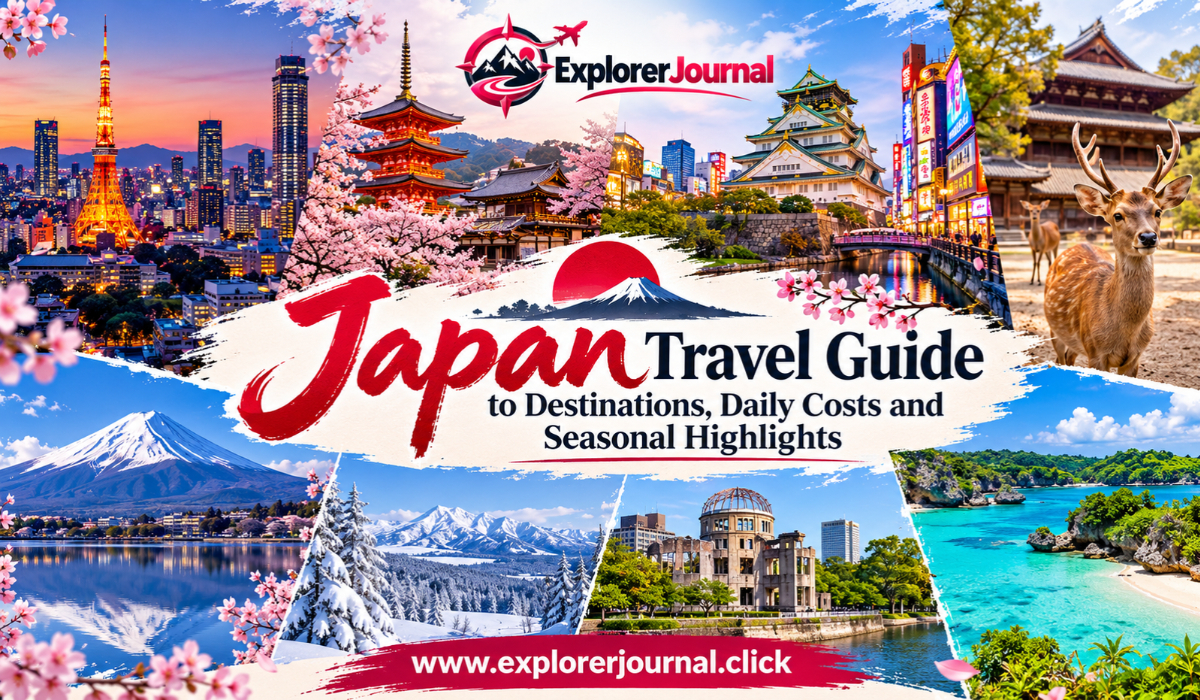
Japan is a fascinating travel destination where ancient traditions, modern technology, beautiful landscapes, and distinctive food culture come together. From the neon-lit streets of Tokyo to the peaceful temples of Kyoto, the snowy mountains of Hokkaido, and the tropical beaches of Okinawa, the country offers a wide range of experiences for every type of traveler. Whether you are planning your first international holiday, a cultural journey, a family vacation, or an adventure through scenic countryside, Japan provides countless opportunities to create memorable experiences.
Planning a trip to Japan involves more than choosing famous attractions. Understanding daily expenses, transportation options, regional differences, and seasonal weather can help you make better decisions and enjoy your journey without unnecessary stress. Some travelers prefer the cherry blossoms of spring, while others choose autumn foliage, winter landscapes, or summer festivals.
This Japan travel guide explores the country’s most rewarding destinations, explains typical daily travel costs, highlights the best experiences in each season, and shares practical advice for organizing a comfortable and enjoyable trip.
1. Tokyo: Discover Japan’s Modern Lifestyle
Tokyo is an excellent starting point for exploring Japan because it combines contemporary city life with historic neighborhoods, traditional food, shopping districts, and convenient public transportation. The city is enormous, but its different districts make it possible to experience several sides of Japanese culture in one visit.
Shibuya is known for its busy pedestrian crossing, fashion stores, and entertainment venues. Shinjuku offers skyscrapers, restaurants, gardens, and nightlife, while Asakusa provides a more traditional atmosphere around Senso-ji Temple. Visitors interested in technology and popular culture can explore Akihabara, whereas Ueno offers museums, parks, and cultural attractions.
Tokyo also has an outstanding food scene. Travelers can try ramen, sushi, tempura, and regional Japanese specialties at restaurants ranging from inexpensive neighborhood eateries to high-end dining establishments.
Allow at least three or four days to explore Tokyo comfortably. Its extensive rail and subway networks make moving between major districts relatively straightforward, although stations can be busy during commuting hours.
2. Kyoto: Traditional Temples and Historic Streets
Kyoto is one of Japan’s most rewarding destinations for travelers interested in history, architecture, and traditional culture. Formerly the country’s imperial capital, it contains historic temples, landscaped gardens, shrines, tea houses, and neighborhoods that preserve centuries-old customs.
Fushimi Inari Taisha is famous for its long paths lined with red torii gates. Kinkaku-ji, also called the Golden Pavilion, is known for its striking appearance beside a reflective pond. The Arashiyama district attracts visitors with its bamboo grove, river scenery, and nearby temples.
Gion offers traditional streets and opportunities to learn about Kyoto’s performing arts and tea culture. Travelers should respect private spaces and local photography rules, especially in residential areas.
Kyoto is particularly popular during cherry blossom season and autumn, when its gardens and temple grounds become visually spectacular. Book accommodation early during these busy periods.
3. Osaka: Food, Entertainment and City Energy
Osaka is an energetic city known for its friendly atmosphere, distinctive street food, shopping, and entertainment. It is also a convenient base for visiting other parts of the Kansai region.
Dotonbori is one of the city’s most recognizable districts, with illuminated signs, busy restaurants, and canal-side walking areas. Osaka Castle introduces visitors to Japanese history, while Universal Studios Japan attracts families and theme-park enthusiasts.
Food is a major reason to visit Osaka. Takoyaki, savory okonomiyaki pancakes, and kushikatsu are popular local specialties. Exploring smaller restaurants away from the busiest tourist streets can also provide memorable dining experiences.
Two or three days are usually enough for a first introduction to Osaka. Travelers with additional time can use the city as a base for day trips to Nara, Kobe, or Kyoto.
4. Nara: Ancient Temples and Friendly Deer
Nara is an excellent destination for a day trip from Kyoto or Osaka. The city is known for Nara Park, where visitors can encounter free-roaming deer, and for its impressive collection of historic temples and cultural landmarks.
Todai-ji Temple houses a monumental bronze Buddha statue and is one of the region’s most important attractions. Walking through the park, exploring temple grounds, and visiting traditional neighborhoods provide a slower-paced alternative to Japan’s larger cities.
Allow a full day to explore Nara comfortably. Follow park guidance when interacting with deer, and avoid feeding them anything other than approved food.
5. Mount Fuji and the Fuji Five Lakes
Mount Fuji is one of Japan’s most recognizable natural landmarks. The surrounding Fuji Five Lakes region offers spectacular views, peaceful lakeside walks, traditional accommodation, and opportunities to enjoy the countryside.
Lake Kawaguchiko is a popular base for photography and sightseeing. Visitors can also explore nearby museums, visit local cafés, or stay at a traditional inn with views of the mountain when weather conditions cooperate.
Climbing Mount Fuji is a seasonal activity with designated routes and official safety requirements. Travelers should check the current climbing season, trail access, equipment recommendations, and weather warnings before attempting the ascent.
6. Hokkaido: Nature, Snow and Seasonal Flowers
Hokkaido, Japan’s northernmost major island, appeals to travelers who enjoy open landscapes, outdoor adventures, and seasonal scenery. Its attractions range from lavender fields and national parks in summer to snow-covered ski resorts in winter.
Sapporo is a convenient urban base, while Furano and Biei are famous for their colorful summer landscapes. Niseko attracts winter sports enthusiasts, and visitors to hot-spring towns can relax after a day outdoors.
Hokkaido’s climate differs from that of Tokyo and Kyoto. Summer is often cooler and less humid, while winter brings substantial snowfall in many areas. Plan your route around the season rather than assuming the entire island has the same weather.
7. Hiroshima: History and Peace
Hiroshima offers an important historical experience through its memorials, museums, and commitment to peace. The Hiroshima Peace Memorial Park and Peace Memorial Museum help visitors understand the devastating impact of the atomic bombing in 1945.
A visit here is reflective rather than simply another sightseeing stop. Travelers can also explore the city’s modern neighborhoods and try Hiroshima-style okonomiyaki, which is prepared in distinctive layers.
Many visitors combine Hiroshima with a trip to Miyajima, an island known for its scenic waterfront and Itsukushima Shrine. Allow enough time to experience both destinations without rushing.
8. Okinawa: Tropical Beaches and Island Culture
Okinawa offers a different side of Japan, with subtropical weather, clear waters, coral reefs, and a distinctive island culture. Its history, cuisine, and traditions differ in several ways from those of mainland Japan.
Travelers can explore Naha, visit Shurijo Castle’s historic site, relax on beaches, and arrange snorkeling or diving trips with qualified operators. The outer islands provide opportunities to experience quieter coastal communities and natural landscapes.
Okinawa is attractive for beach holidays, although the rainy season and typhoon risks should influence planning. Check marine conditions before swimming or arranging boat excursions.
Understanding Daily Travel Costs in Japan
Japan can accommodate different travel budgets, but your daily spending will depend on accommodation standards, transportation distances, dining preferences, and sightseeing activities.
The following estimates are practical planning ranges in Japanese yen for one person. They exclude international flights and major intercity journeys unless stated otherwise. Actual prices vary by destination, date, and availability.
| Expense category | Estimated daily cost |
| Budget accommodation | ¥3,000–¥8,000 |
| Mid-range accommodation | ¥8,000–¥20,000 |
| Meals and drinks | ¥2,000–¥5,000 |
| Local transportation | ¥500–¥2,000 |
| Sightseeing and activities | ¥500–¥3,000 |
| Miscellaneous expenses | ¥500–¥2,000 |
These are indicative planning figures, not guaranteed prices. Accommodation may cost considerably more during cherry blossom season, major holidays, and popular festivals. Japan’s official tourism organization also recommends comparing transport passes, accommodation types, and dining options to manage expenses.
Budget Travel: Approximately ¥7,000–¥13,000 Per Day
Budget-conscious travelers can reduce expenses by staying in hostels or simple guesthouses, eating at casual restaurants, and prioritizing free attractions. Parks, many shrine grounds, neighborhood walks, and selected cultural areas can provide memorable experiences without expensive admission fees.
Convenience stores and inexpensive eateries are useful for quick breakfasts and simple meals. However, travelers should reserve money for occasional paid attractions and transport.
Mid-Range Travel: Approximately ¥15,000–¥30,000 Per Day
A mid-range budget allows more flexibility with private hotel rooms, restaurant meals, museum visits, and occasional guided tours. Travelers can enjoy regional specialties, stay in convenient neighborhoods, and take selected day trips without carefully monitoring every purchase.
This range works well for many couples and independent travelers, although two people sharing a room may have different per-person accommodation costs.
Premium Travel: ¥35,000 or More Per Day
Premium travel may include upscale hotels, traditional ryokan stays, fine dining, private guides, and additional comfort during long journeys. Luxury accommodation in major cities can exceed these figures, particularly during peak periods.
A ryokan experience with a Japanese dinner and breakfast can be a highlight of the trip, especially in destinations known for hot springs. Compare what is included in the room price before booking.
Seasonal Highlights: When Should You Visit Japan?
Japan’s four seasons offer very different travel experiences. Your ideal travel dates depend on whether you want cherry blossoms, summer festivals, colorful autumn leaves, or winter sports. Regional climates also vary, with Hokkaido experiencing colder winters and Okinawa remaining comparatively warm.
Spring: March to May
Spring is famous for cherry blossoms, pleasant sightseeing weather, and colorful gardens. Tokyo, Kyoto, Osaka, and the Fuji Five Lakes region are popular choices. Blooming dates vary each year and progress from warmer southern regions toward northern Japan, so check local forecasts before booking.
Summer: June to August
Summer brings lively festivals, fireworks, green mountain landscapes, and opportunities for beach holidays. Hokkaido is appealing for cooler outdoor exploration, while Okinawa suits travelers interested in island activities. Expect heat and humidity in many cities, with a rainy season in much of the country and typhoon risks later in summer.
Autumn: September to November
Autumn brings colorful foliage, comfortable walking conditions, and seasonal food. Kyoto’s temple gardens, Tokyo’s parks, and Japan’s mountainous regions are excellent places to appreciate the changing leaves. Peak colors vary by elevation and region, and September can still bring typhoons.
Winter: December to February
Winter is ideal for skiing, snowboarding, snowy landscapes, and hot-spring experiences. Hokkaido and northern Japan attract winter sports enthusiasts, while cities such as Tokyo and Osaka remain suitable for urban sightseeing. Pack warm clothing and check transport conditions during heavy snowfall.
Getting Around Japan Efficiently
Japan’s transportation network makes independent travel relatively straightforward, especially between major cities. Choosing the right transport option can also help you control your overall budget.
- Shinkansen: Japan’s bullet trains are useful for traveling between major destinations such as Tokyo, Kyoto, Osaka, and Hiroshima.
- Local trains and subways: These are convenient for exploring city neighborhoods and reaching popular attractions.
- Highway buses: Buses can be economical for selected intercity journeys, particularly if you have flexible travel times.
- Domestic flights: These may be practical for longer journeys, such as traveling between Tokyo and Hokkaido or Okinawa.
- IC travel cards: Rechargeable transit cards can simplify many local train, subway, and bus journeys where accepted.
A nationwide Japan Rail Pass is not automatically the cheapest choice. Compare its price with the individual tickets you expect to purchase, and investigate regional passes if most of your travel takes place in one area
Practical Tips for Planning Your Japan Trip
A little preparation can make a significant difference to your experience.
Book accommodation early. Popular destinations can become expensive during cherry blossom season, autumn foliage periods, and national holiday weeks.
Carry a payment backup. Card payments are widely accepted, but some smaller businesses and rural locations may prefer cash. Keep a suitable payment alternative available.
Learn basic Japanese expressions. Simple phrases such as arigato (thank you) and sumimasen (excuse me) can make everyday interactions easier.
Respect local etiquette. Follow rules at temples and shrines, keep noise low on public transport, and check whether restaurants or attractions have specific visitor requirements.
Pack for the season. Comfortable walking shoes are essential. Bring rain protection during wetter months and suitable layers for mountain destinations.
Plan a balanced itinerary. Visiting too many cities in a short period can make a trip tiring. For a first visit of 10–14 days, combining Tokyo, Kyoto, and Osaka with one or two additional destinations is a practical approach.
Final Thoughts
Japan offers an exceptional combination of cultural heritage, modern cities, beautiful nature, seasonal celebrations, and memorable food. Tokyo introduces visitors to contemporary Japanese life, Kyoto showcases historic traditions, Hokkaido provides outdoor adventures, and Okinawa offers a relaxing island escape.
Daily costs can vary significantly, but careful planning makes it possible to enjoy Japan on a range of budgets. Choose accommodation that suits your needs, compare transportation options, and leave room for unexpected discoveries along the way.
The best time to visit depends on your priorities. Spring is wonderful for cherry blossoms, summer brings festivals and mountain escapes, autumn offers colorful foliage, and winter is perfect for snow and hot springs. With a well-planned itinerary and an appreciation for local customs, Japan can deliver a rewarding travel experience in any season.