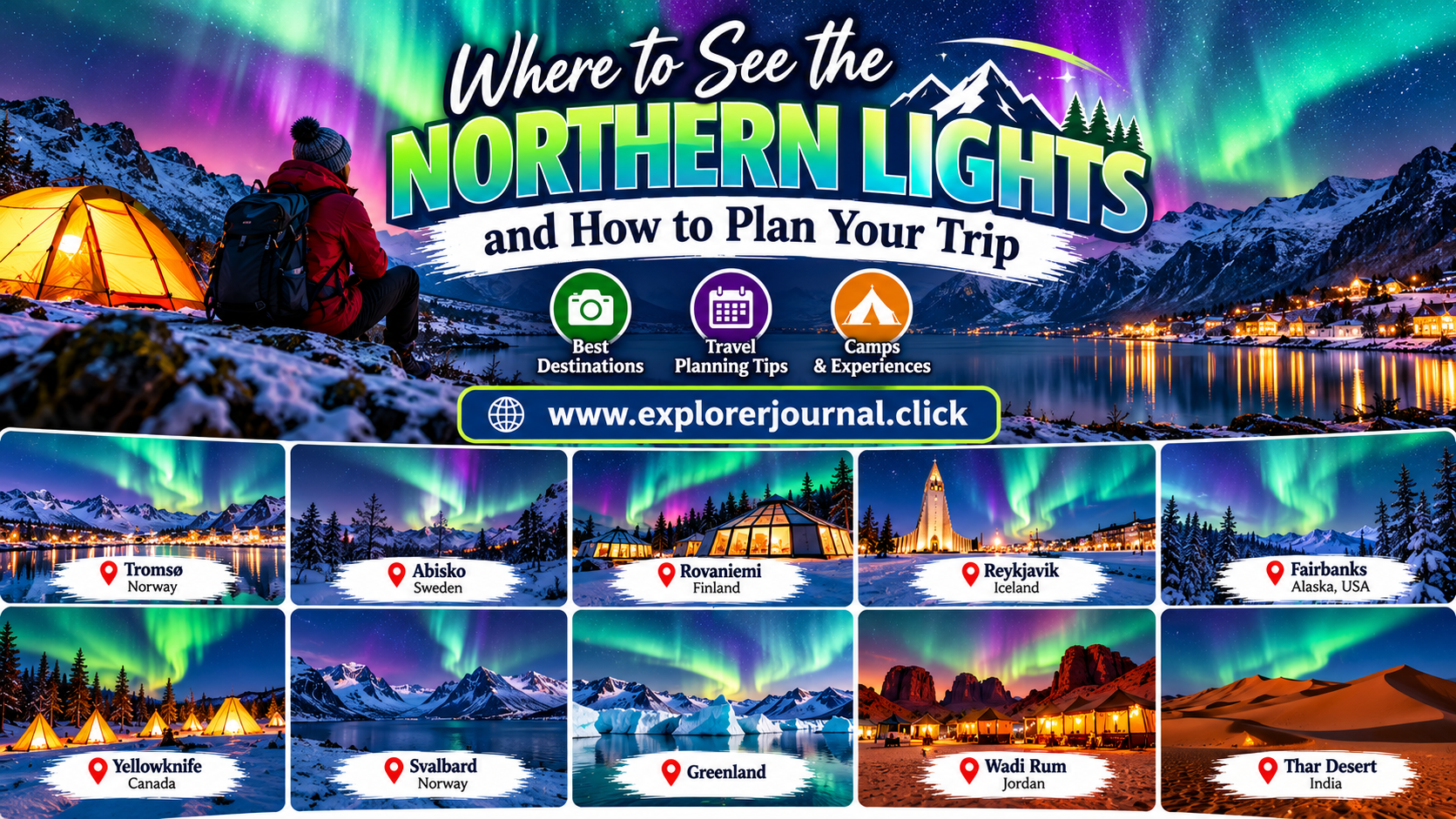
Introduction
Planning a trip is an exciting process that turns travel dreams into memorable experiences. Whether you are organizing a weekend getaway, a family holiday, an international adventure, or a relaxing beach vacation, thoughtful preparation can make the entire journey smoother and more enjoyable. From selecting the right destination to booking suitable accommodation, every decision influences your travel experience, comfort, and overall expenses.
A successful trip does not necessarily require a large budget or an elaborate itinerary. It requires understanding your priorities, researching available options, organizing essential arrangements, and leaving enough flexibility for unexpected discoveries. Travelers who plan carefully can avoid unnecessary expenses, reduce last-minute stress, and spend more time enjoying their destinations.
The process becomes easier when divided into manageable steps. By establishing a budget, choosing suitable travel dates, arranging transportation, booking hotels, and preparing essential documents, you can create a practical travel plan that matches your interests. This guide explains how to organize every major stage of a trip, from the first destination idea to the final hotel reservation.
1. Decide What Kind of Trip You Want
Before selecting a destination, identify the type of experience you want. Different travelers have different expectations, and understanding your preferences helps narrow the available choices.
Some people prefer beach holidays with sunshine, swimming, and relaxed evenings. Others enjoy mountain landscapes, hiking, wildlife experiences, or scenic road trips. History enthusiasts may choose destinations with museums, monuments, and historic neighborhoods, while food lovers might prioritize local markets and regional cuisine.
Consider whether you want a relaxing holiday or an activity-filled itinerary. Think about traveling alone, with family, with friends, or as a couple. Your companions can influence accommodation requirements, transportation choices, and daily activities.
Write down three priorities for your trip. These might include affordable accommodation, beautiful scenery, and cultural experiences. Use them as a guide when comparing destinations and deciding where your money will provide the greatest value.
2. Choose the Right Destination
Once you understand your travel preferences, begin researching destinations that match them. Compare locations according to attractions, climate, transportation, accommodation, safety, and overall affordability.
For example, travelers interested in historical architecture might consider Rome or Prague, while those seeking tropical scenery could explore Bali or Thailand. Mountain enthusiasts may prefer Switzerland, Nepal, or India’s Himalayan regions.
Research the destination beyond its most famous attractions. Examine nearby towns, local transportation, regional food, and opportunities for day trips. A smaller destination near a major city may offer a quieter atmosphere and better accommodation prices.
Consider practical factors such as visa requirements, entry regulations, language differences, and healthcare access. International travelers should also review current travel advisories before making nonrefundable reservations.
Choose a destination that offers the experiences you genuinely want rather than selecting a location simply because it is popular on social media.
3. Select the Best Travel Dates
Travel dates can influence flight prices, hotel availability, weather conditions, and crowd levels. Researching the destination’s seasons helps you determine when to visit.
Peak seasons often bring festivals, pleasant weather, and more activities, but accommodation and transportation can become expensive. Shoulder seasons may provide a useful balance between favorable conditions and manageable crowds. Off-season travel can offer lower prices, although some attractions may operate on reduced schedules.
Check local holidays, major events, school vacations, and seasonal weather patterns before confirming your dates. A destination known for winter sports may be less suitable during warmer months, while tropical regions can experience rainy seasons or storms.
If your schedule is flexible, compare prices across several departure dates. Even small adjustments can sometimes reduce transportation and accommodation expenses.
Allow extra time when traveling during periods associated with heavy traffic, weather disruptions, or large public celebrations.
4. Establish a Realistic Travel Budget
A clear budget helps you make informed decisions throughout the planning process. Start by estimating the total amount you can comfortably spend without affecting essential financial responsibilities.
Divide your budget into major categories, including transportation, accommodation, food, sightseeing, local travel, shopping, and travel insurance. Include visa fees and other necessary administrative expenses when applicable.
Do not allocate every available amount to flights and hotels. Keep a reserve for unexpected costs such as medical needs, transportation changes, or additional accommodation nights.
Research typical prices at your destination instead of relying on assumptions. Restaurant costs, public transportation fares, and attraction tickets can vary significantly between countries and cities.
You can reduce expenses by choosing guesthouses, preparing occasional meals, using public transportation, and prioritizing attractions that matter most to you. However, saving money should not come at the expense of essential safety, comfortable rest, or reliable transportation.
5. Research Transportation Options
After choosing your destination and dates, determine how you will reach it and travel around the region. Depending on the distance, options may include flights, trains, buses, ferries, rental cars, or private transfers.
Compare the total cost rather than focusing only on the advertised ticket price. Budget flights may involve baggage fees, airport transfers, or inconvenient departure times. Train journeys may take longer but offer scenic views and convenient city-center connections.
For international flights, review baggage allowances, cancellation rules, layover durations, and arrival times. Confirm that connecting flights provide enough time for required procedures, especially when separate tickets are involved.
Once you arrive, research local transportation. Metro systems, buses, and trains can reduce costs in many cities, while rental cars may be useful for remote destinations or road trips.
Reserve transportation early when traveling during busy periods, but check the cancellation and change policies before purchasing restrictive tickets.
6. Create a Practical Travel Itinerary
A travel itinerary organizes your activities without requiring every minute to be scheduled. Begin by listing the attractions and experiences you most want to enjoy.
Group nearby locations together to minimize unnecessary travel. For example, visit museums and historic landmarks in the same neighborhood on one day, then explore markets or parks in another area.
Estimate how much time each attraction requires, including transportation, queues, meals, and rest breaks. Avoid scheduling too many major activities in a single day, particularly when traveling with children or older companions.
Include opportunities for spontaneous exploration. A quiet café, a local festival, or an unexpected scenic viewpoint can become a highlight of the journey.
Check opening hours, ticket requirements, and seasonal closures before finalizing your schedule. Some popular attractions require advance reservations, while others can be visited more flexibly.
Keep a digital or printed copy of your itinerary, including addresses and confirmation details, so essential information remains accessible during the trip.
7. Research Hotels Before Booking
Choosing the right hotel is an important part of travel planning because accommodation affects comfort, convenience, and daily expenses.
Begin by identifying your requirements. Consider your budget, preferred room type, cleanliness expectations, accessibility needs, and essential facilities. Depending on your trip, useful amenities might include breakfast, air conditioning, Wi-Fi, laundry services, parking, or airport transfers.
Compare different accommodation types rather than limiting your search to traditional hotels. Guesthouses, hostels, serviced apartments, and vacation rentals may suit different budgets and travel styles.
Read recent reviews from multiple sources, paying attention to repeated comments about cleanliness, noise, staff behavior, security, and the accuracy of property descriptions.
Examine the room photographs carefully, but remember that pictures may not reveal the entire property experience. Confirm important details directly with the accommodation when necessary.
8. Choose the Best Hotel Location
A hotel with a convenient location can save time and transportation expenses throughout your trip. However, the most central property is not always the best option.
Look at a map and identify the neighborhoods closest to your planned activities. Staying near a train station or metro stop can make transportation easier, while a quieter residential area may offer a more relaxed atmosphere.
Compare the accommodation price with the likely cost of traveling to attractions each day. A cheaper hotel far from the city center may not provide genuine savings if transportation becomes expensive.
Check the surrounding area for restaurants, grocery stores, pharmacies, and other useful services. Travelers arriving late at night should consider transport availability and access to the property.
For beach or mountain holidays, investigate the distance between the hotel and the main activities you intend to enjoy. Convenient access can make a significant difference to your overall experience.
9. Compare Hotel Prices and Booking Conditions
Once you have shortlisted suitable hotels, compare their prices across reputable booking platforms and the property’s official website.
Look beyond the initial room rate. Taxes, service charges, breakfast, parking, resort fees, and additional guest charges may affect the final amount. Check whether the displayed price includes all mandatory expenses.
Compare cancellation policies carefully. Flexible reservations may cost slightly more but provide greater protection if your plans change. Nonrefundable rates can offer savings, although they may result in a loss if cancellation becomes necessary.
Review payment deadlines, deposit requirements, check-in times, and identification rules. If breakfast or airport transfers are important, confirm whether these services are included.
Before completing a reservation, verify the property name, address, dates, number of guests, and room category. Save the confirmation email and contact details for future reference.
10. Prepare Travel Documents and Essentials
Travel documents should be organized well before departure. International travelers may need passports, visas, return tickets, hotel confirmations, and evidence of sufficient funds, depending on destination requirements.
Check passport validity rules and visa processing times before purchasing nonrefundable arrangements. Requirements can differ according to nationality, transit points, and travel purpose.
Consider purchasing travel insurance that suits your itinerary. Depending on the policy, coverage may include medical emergencies, trip cancellation, baggage problems, or transportation disruptions. Read exclusions and coverage limits carefully.
Prepare a packing list based on the climate, planned activities, and cultural expectations of your destination. Include suitable clothing, toiletries, necessary medication, chargers, and travel adapters.
Keep copies of important documents in a secure digital location and maintain access to essential information when offline. Avoid sharing sensitive booking details publicly.
11. Prepare for Unexpected Changes
Even carefully organized trips can experience delays, cancellations, bad weather, or unexpected closures. Preparing for possible disruptions helps you respond calmly.
Check your flight and hotel arrangements before departure, and monitor transportation updates during the journey. Keep some flexibility in your schedule rather than placing every activity in a fixed sequence.
Save emergency contacts, accommodation details, and relevant insurance information. Carry a payment backup when practical, and understand how to contact your bank if a card is lost.
If your itinerary includes remote areas, research communication coverage, transportation availability, and local emergency services. Inform someone you trust about major travel plans when appropriate.
Most importantly, maintain realistic expectations. Not every activity will go exactly as planned, but unexpected changes can create opportunities to discover alternative attractions and experiences.
Conclusion
Planning a trip from choosing destinations to booking hotels becomes much easier when each decision follows a clear process. Begin by identifying your interests, selecting a suitable location, choosing travel dates, and establishing a realistic budget. Then organize transportation, create a flexible itinerary, compare accommodation options, and prepare essential documents.
Successful planning is not about arranging every detail perfectly. It is about making informed choices that support your comfort, safety, and enjoyment while leaving room for discovery.
By researching destinations carefully, comparing hotel conditions, and preparing for unexpected changes, you can reduce unnecessary stress and make better use of your travel budget. Whether you are planning a short weekend escape or an international adventure, thoughtful preparation helps transform travel ideas into meaningful experiences and lasting memories.