Introduction
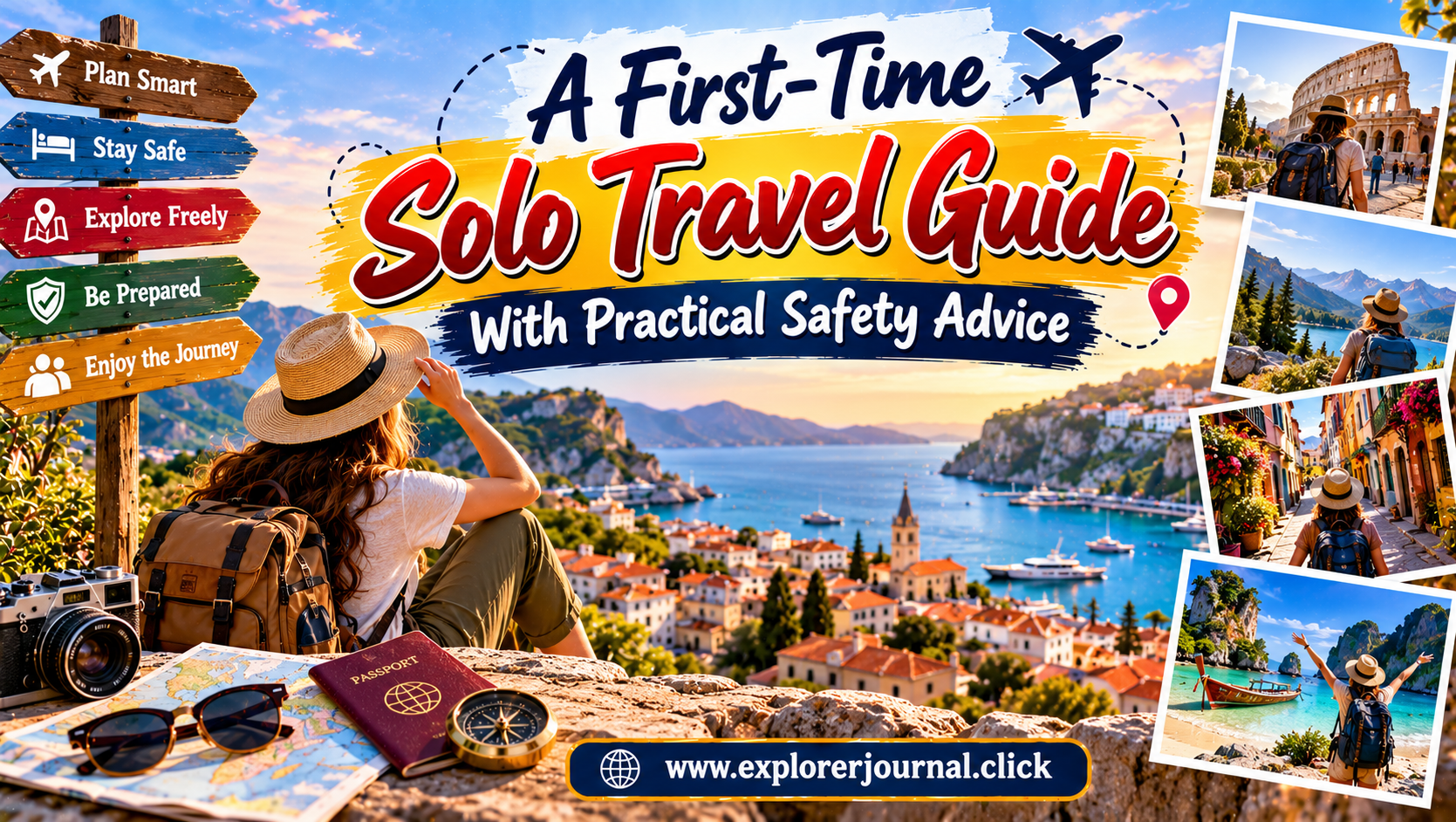
Solo travel is an exciting opportunity to explore new destinations, discover different cultures, and learn more about yourself. Traveling alone allows you to make independent decisions, follow your interests, and create an itinerary that suits your preferences. Whether you dream of wandering through historic cities, relaxing on tropical beaches, exploring mountain villages, or discovering unfamiliar cuisines, a solo journey can become a rewarding experience.
However, traveling alone also requires preparation and awareness. Without companions to share responsibilities, you must manage transportation, accommodation, finances, and personal safety independently. For first-time solo travelers, these responsibilities may seem overwhelming, but careful planning can make the experience much easier.
The key is to balance adventure with sensible precautions. Choosing a suitable destination, researching local customs, protecting important documents, and staying aware of your surroundings can help you travel confidently. This guide explains how to prepare for your first solo adventure while enjoying the freedom and independence that make traveling alone so special.
1. Choose a Destination Suitable for Beginners
Selecting the right destination is one of the most important decisions for your first solo trip. Rather than choosing the most adventurous location immediately, consider places with reliable transportation, accessible accommodation, helpful tourist services, and clear visitor information.
Cities with established public transportation systems can make independent exploration easier. Destinations where many people speak a language you understand may also reduce communication challenges. Research local safety conditions, healthcare facilities, emergency services, and transportation options before making a decision.
Consider your interests as well. If you enjoy museums, choose a city with cultural attractions. If you prefer nature, look for destinations with marked hiking trails and organized excursions. A location that matches your interests will help you feel comfortable and motivated.
Start with a manageable journey rather than planning an extremely complicated itinerary. A short trip of three or four days can help you develop confidence before attempting a longer international adventure.
2. Research Local Customs and Travel Rules
Understanding local customs helps you avoid uncomfortable situations and demonstrate respect for the communities you visit. Different destinations have different expectations regarding clothing, greetings, photography, dining, and behavior in public spaces.
Research cultural practices before departure, particularly when visiting religious sites or traditional communities. Some places require modest clothing, covered shoulders, or the removal of footwear before entering. Photography may also be restricted in certain buildings or during ceremonies.
Learn a few useful local phrases, including greetings, thank you, directions, and requests for assistance. Even basic language skills can make everyday interactions easier.
Check entry requirements, visa conditions, passport validity, and local regulations well in advance. International travelers should also understand any restrictions concerning medication, customs declarations, or permitted activities.
Reliable preparation reduces uncertainty and allows you to focus on enjoying your surroundings rather than solving avoidable problems after arrival.
3. Create a Realistic Travel Budget
Managing money carefully is essential when traveling alone because you will be responsible for every expense. Before departure, estimate the costs of transportation, accommodation, food, sightseeing, communication, and travel insurance.
Set a daily spending limit based on your overall budget and the length of your trip. Research typical prices at your destination rather than relying on assumptions. Restaurants, public transportation, and accommodation can vary significantly in cost between neighborhoods.
Keep an emergency reserve separate from your everyday spending money. This reserve can help cover unexpected accommodation, medical needs, or transportation changes.
Avoid carrying all your cash in one place. Keep a small amount accessible for daily purchases and store backup funds securely. Carry a payment card separately from your primary wallet when practical.
Check international transaction fees before departure and inform your bank about travel plans if required. Regularly reviewing your spending helps you stay within budget without missing experiences that matter to you.
4. Book Safe and Convenient Accommodation
Your accommodation plays an important role in your comfort and security. Before booking, compare hotels, hostels, guesthouses, and serviced apartments according to location, cleanliness, access arrangements, and recent guest reviews.
Choose a property with reliable check-in procedures and convenient access to transportation. Staying near a well-connected area can reduce the need to walk long distances late at night.
Read reviews carefully, paying attention to repeated comments about security, staff behavior, noise, and the surrounding neighborhood. Confirm the property’s address and check whether reception is available when you expect to arrive.
When staying in a hostel, consider whether you prefer a private room or a shared dormitory. Review luggage storage arrangements and available lockers. Bring a suitable lock if the property provides lockers that require one.
Keep your room key or access card secure, and avoid revealing your room number to unfamiliar people. These simple precautions can make independent travel more comfortable.
5. Share Your Itinerary With Someone You Trust
Traveling independently does not mean you must remain disconnected from friends or family. Sharing your basic itinerary with someone you trust provides an additional layer of reassurance.
Provide your accommodation details, expected arrival times, transportation plans, and important booking information. Agree on a reasonable schedule for checking in, particularly when visiting remote areas or taking long journeys.
You can send a brief message when you arrive at your destination or complete a major transfer. If plans change significantly, update your trusted contact when possible.
Avoid posting your exact real-time location publicly, especially when traveling alone. Public social media updates can reveal where you are staying or when your accommodation may be empty.
A trusted contact should know how to reach you and understand what steps to take if you miss an agreed check-in and cannot be contacted.
6. Protect Your Passport and Important Documents
Losing important documents during a solo trip can create unnecessary complications. Prepare before departure by checking passport validity, visa requirements, travel insurance details, and booking confirmations.
Keep digital copies of essential documents in a secure account that you can access when needed. Store physical documents in a protected location and avoid carrying everything together unless required.
Use your accommodation’s secure storage facilities when appropriate, but understand their conditions and keep necessary identification accessible. Never leave your passport unattended in public places.
For international travel, research how to contact your country’s embassy or consulate if your passport is lost or stolen. Save emergency contact information separately from your phone.
Organizing documents in advance can make airport procedures, hotel check-ins, and unexpected situations much easier to manage.
7. Stay Aware of Your Surroundings
Situational awareness is one of the most useful habits for solo travelers. Pay attention to the environment around you, particularly in crowded transportation hubs, unfamiliar neighborhoods, and busy tourist areas.
Avoid becoming completely absorbed in your phone while walking. If you need directions, step into a safe public place to check your map.
Keep your belongings close and use a bag that closes securely. Be cautious when strangers approach with unsolicited offers, unusual requests, or stories designed to create pressure.
Trust your instincts if a situation feels uncomfortable. Move toward a populated area, enter a reputable business, or ask uniformed staff for assistance when necessary.
You do not need to remain suspicious of everyone. The goal is to stay observant, make deliberate choices, and respond calmly when something does not feel right.
8. Use Reliable Transportation
Transportation decisions can influence both safety and convenience during a solo trip. Research the local public transportation system before arrival and understand how to purchase tickets, identify official stops, and check operating hours.
When using taxis or ride-hailing services, choose legitimate providers and confirm the vehicle and driver details before entering. Share trip information with a trusted contact when appropriate.
Avoid accepting unsolicited rides from strangers, particularly when you are unfamiliar with the area. If arriving late at night, arrange transportation in advance whenever practical.
For train and bus journeys, keep valuables secure and remain aware of your belongings during boarding and transfers. Allow enough time to reach stations without rushing.
If you rent a vehicle, review local driving laws, insurance coverage, and road conditions. Choose transportation options that match your experience and comfort level.
9. Pack Light but Prepare Properly
Packing efficiently makes solo travel easier because you will manage your luggage without assistance from a companion. Choose clothing that suits the weather, local customs, and activities planned for your trip.
Prioritize comfortable footwear, essential medication, toiletries, charging equipment, and appropriate travel documents. Bring a basic first-aid kit and any personal supplies that may be difficult to obtain at your destination.
A small day bag can carry water, snacks, a power bank, sunscreen, and other essentials during sightseeing. Keep valuable items in secure compartments and avoid displaying expensive equipment unnecessarily.
Check airline baggage restrictions before departure to prevent unexpected fees. Leave some room for souvenirs and avoid packing items that you can easily purchase locally.
A lighter bag improves mobility, especially when using public transportation, climbing stairs, or changing accommodation.
10. Maintain Digital Security
Your phone often functions as a map, booking manager, payment tool, and emergency contact device. Protecting it is therefore an important part of solo travel preparation.
Use a strong screen lock and enable available device-tracking features. Keep your operating system and essential applications updated before departure.
Avoid accessing sensitive financial accounts through unfamiliar or unsecured public Wi-Fi networks. When necessary, use mobile data or a trusted connection.
Be careful when scanning unfamiliar QR codes or clicking links sent by unknown people. Fraudulent booking messages and fake payment requests can target travelers.
Download offline maps, boarding passes, accommodation confirmations, and important addresses before travelling. Keep a backup charging method available so your phone remains useful when you need directions or assistance.
11. Be Careful With Food and Personal Health
Maintaining your health is especially important when you are responsible for yourself throughout the journey. Research local healthcare facilities and check whether recommended vaccinations or other health preparations apply to your destination.
Carry necessary medication in its original packaging when practical, and confirm that it is permitted under local regulations. Keep prescriptions and relevant medical information accessible.
Drink safe water, choose food from establishments with good hygiene practices, and avoid eating anything that appears improperly stored. Introduce unfamiliar foods gradually if you have a sensitive stomach.
Get enough sleep, take breaks, and protect yourself from excessive sun exposure or cold weather. If you feel unwell, seek appropriate medical assistance rather than continuing a demanding itinerary.
Travel insurance that covers relevant medical expenses can provide valuable protection during unexpected situations.
12. Make Connections Without Compromising Safety
One enjoyable aspect of solo travel is the opportunity to meet people from different backgrounds. Hostels, walking tours, cooking classes, museums, and organized outdoor activities can create natural opportunities for conversation.
Choose social environments that feel comfortable and reputable. Group excursions can be especially useful when exploring unfamiliar places or participating in activities that require specialist knowledge.
Be thoughtful about sharing personal information with new acquaintances. You do not need to disclose your accommodation details, complete itinerary, or financial circumstances.
If meeting someone independently, choose a public place and arrange your own transportation. Keep control of your belongings and leave whenever you feel uncomfortable.
Building connections can enrich your journey while maintaining clear personal boundaries and sensible precautions.
13. Plan Your Days but Leave Room for Flexibility
A practical itinerary helps you make the most of your time without becoming overwhelmed. List your main attractions, check opening hours, and group nearby locations to reduce unnecessary travel.
Avoid scheduling every hour. Leave room for meals, rest, unexpected discoveries, and delays. A flexible schedule also allows you to change plans when weather conditions or transportation services disrupt your original arrangements.
Identify safe routes back to your accommodation and check when public transportation stops operating. If an activity finishes late, arrange a reliable way to return.
Keep a note of important addresses and emergency contacts. Knowing your next destination can reduce stress, especially during your first solo journey.
14. Know What to Do in an Emergency
Preparation helps you respond more effectively when unexpected problems occur. Before departure, identify the local emergency number and save your accommodation’s contact information.
If you lose your phone, passport, or payment card, know how to contact your bank, service provider, or embassy. Keep backup information somewhere separate from the items you carry daily.
If you feel threatened, move toward a staffed public location and seek assistance from local authorities or trusted personnel. Avoid confronting aggressive individuals when leaving the situation is safer.
Follow official instructions during severe weather, transport disruptions, or local emergencies. Keep your emergency reserve accessible and contact your trusted person when possible.
Understanding basic emergency procedures before travelling can help you remain calmer when quick decisions become necessary.
Conclusion
Your first solo trip can be a rewarding opportunity to explore the world independently, develop confidence, and discover new interests. Careful planning makes the experience more manageable, from choosing a suitable destination and arranging accommodation to protecting your belongings and maintaining communication with trusted contacts.
The most effective safety strategy combines preparation, awareness, and flexibility. Research local conditions, use reliable transportation, protect important documents, and listen to your instincts when situations feel uncomfortable.
Start with a manageable itinerary and gradually explore more challenging destinations as your experience grows. You do not need to eliminate every uncertainty before travelling; you simply need practical plans and sensible precautions.
With the right preparation, solo travel can become an enjoyable way to experience new cultures, meet interesting people, and create lasting memories while maintaining your independence and personal safety.