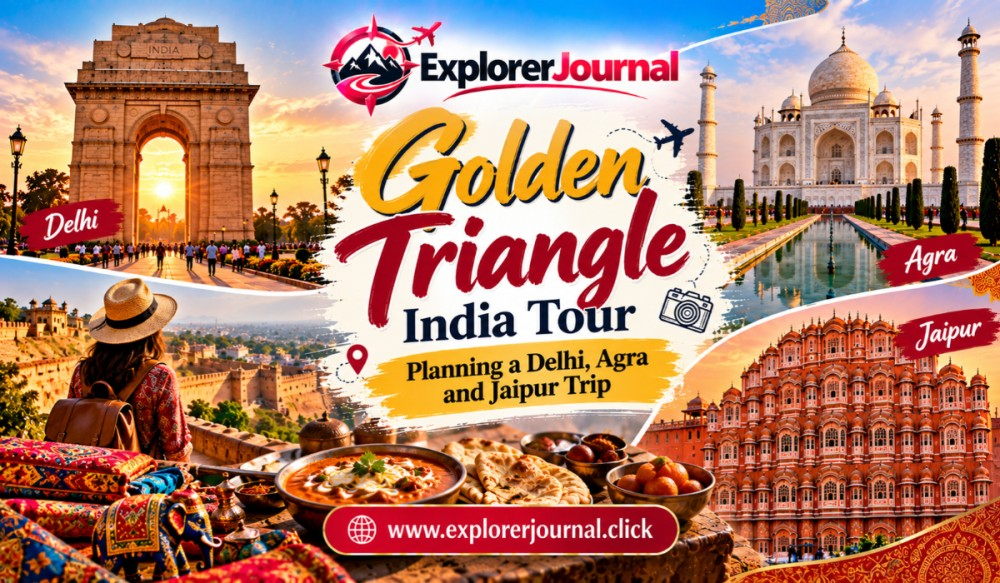
India offers an extraordinary variety of history, architecture, food, traditions, and landscapes. For travelers visiting the country for the first time, the Golden Triangle is one of the most rewarding routes to explore. Connecting Delhi, Agra, and Jaipur, this popular travel circuit introduces visitors to historic monuments, magnificent forts, royal palaces, colorful markets, and regional cuisines within a manageable journey.
The Golden Triangle India Tour is especially suitable for travelers who want to experience several important cultural destinations without planning a complicated route across the country. Delhi presents a blend of historic neighborhoods and modern city life, Agra is famous for the Taj Mahal and Mughal architecture, and Jaipur showcases Rajasthan’s royal heritage through its forts, palaces, and traditional crafts.
A well-organized trip usually takes five to seven days, although travelers with limited time can cover the main highlights in a shorter visit. The best approach is to plan transportation, accommodation, sightseeing, and meal stops in advance while leaving enough flexibility to discover local experiences along the way.
Understanding India’s Golden Triangle Route
The Golden Triangle gets its name from the triangular route formed by Delhi, Agra, and Jaipur on the map. Each city has a distinct character, which makes the journey varied and engaging.
Delhi, India’s capital, offers a combination of historic monuments, religious sites, museums, shopping districts, and contemporary attractions. Agra, located in Uttar Pradesh, is closely associated with the Mughal Empire and contains some of India’s most celebrated architectural landmarks. Jaipur, the capital of Rajasthan, is known as the Pink City because of the distinctive color of many buildings in its historic center.
The route can be completed by road, train, or a combination of both. Many visitors begin in Delhi because of its major airport and extensive transport connections. From there, they travel to Agra and continue to Jaipur before returning to Delhi or departing from another convenient transport hub.
Although the three cities are geographically connected, travel time can vary depending on traffic, road conditions, train schedules, and the location of accommodation. Building a realistic timetable is therefore essential for a comfortable trip.
Delhi: Start Your Journey Through India’s History
Delhi is an excellent starting point because it introduces travelers to several layers of Indian history, from medieval architecture to the institutions of modern India. The city is extensive, so organizing sightseeing by area helps reduce unnecessary travel.
Visit the Red Fort and Jama Masjid
Begin your exploration of Old Delhi with the Red Fort, a major historical complex built during the Mughal period. Its impressive walls, gateways, courtyards, and architectural details provide insight into the political and cultural importance of the Mughal capital.
The nearby Jama Masjid is one of India’s prominent historic mosques. Its large courtyard, domes, and minarets make it an important architectural landmark. Visitors should check current entry rules and dress requirements before visiting religious sites.
The surrounding Old Delhi streets are full of activity. Cycle-rickshaw rides through selected lanes can offer a closer look at traditional shops, food stalls, and everyday neighborhood life. The area can become crowded, so keep valuables secure and allow extra time for moving between attractions.
Explore India Gate and Humayun’s Tomb
India Gate is a well-known national war memorial surrounded by open public spaces. It is a popular place for an evening walk and provides a different atmosphere from the narrow streets of Old Delhi.
Another worthwhile destination is Humayun’s Tomb, a UNESCO World Heritage Site that reflects the development of Mughal garden-tomb architecture. Its landscaped grounds, symmetrical pathways, and carefully designed structure make it a rewarding stop for architecture and photography enthusiasts.
Depending on your schedule, you can also visit Qutub Minar, another UNESCO World Heritage Site in Delhi. Its towering minaret and surrounding historic structures demonstrate the architectural traditions of the Delhi Sultanate.
Experience Delhi’s Food and Markets
Delhi’s food culture is an important part of the travel experience. Visitors can try dishes such as chole bhature, parathas, kebabs, stuffed breads, and regional sweets. The city also has a wide choice of modern cafés and restaurants serving Indian and international cuisine.
Markets such as Chandni Chowk, Janpath, and Dilli Haat offer different shopping experiences. Chandni Chowk is known for its traditional trading streets and food culture, while Dilli Haat showcases crafts and regional products from different parts of India.
If you have only one day in Delhi, prioritize two or three attractions rather than attempting to see everything. A second day allows more time for museums, shopping, and exploring neighborhoods at a relaxed pace.
Agra: Discover Mughal Architecture and the Taj Mahal
Agra is the next major stop on the Golden Triangle route. The city is renowned for its Mughal monuments, especially the Taj Mahal, but it also offers historic forts, traditional markets, and a distinctive regional food culture.
Travelers commonly reach Agra from Delhi by train or road. Train services can be convenient when booked in advance, while a private car offers flexibility for travelers who prefer door-to-door transport. Compare schedules and total journey times before choosing your option.
Experience the Taj Mahal
The Taj Mahal is the best-known attraction in Agra and one of the world’s most recognized monuments. Built by Mughal emperor Shah Jahan in memory of Mumtaz Mahal, the white-marble mausoleum is celebrated for its balanced design, intricate decoration, and landscaped setting.
Early morning is often a popular time to visit because the light can be beautiful and temperatures may be more comfortable. Entry procedures, ticket arrangements, security checks, and opening days should be confirmed before your visit.
Give yourself enough time to appreciate the monument rather than treating it as a quick photo stop. The details of the marble inlay, calligraphy, gardens, and architectural symmetry are easier to appreciate when you explore at an unhurried pace.
Photography rules and access restrictions can apply in different sections of the complex, so follow the instructions displayed at the site.
Explore Agra Fort
Agra Fort is another major attraction and provides important historical context for the Mughal period. This large fortified complex contains palaces, halls, courtyards, and other structures associated with the rulers who lived and governed there.
The fort’s architecture combines defensive design with elaborate royal spaces. Its elevated sections also offer views across parts of Agra, including distant views toward the Taj Mahal from permitted viewpoints.
Allow a few hours if you enjoy history and architecture. Wearing comfortable footwear is useful because visiting the complex involves walking across different surfaces and through multiple sections.
Visit Fatehpur Sikri if Time Allows
Travelers with an additional half-day may consider visiting Fatehpur Sikri, a historic Mughal city located outside Agra. Its palaces, courtyards, gateways, and religious buildings provide another perspective on the architectural achievements of the period.
Because visiting Fatehpur Sikri requires additional travel, it is better suited to itineraries with enough time rather than trips that already have a tight schedule. Check local transport arrangements and monument access information before planning the excursion.
Try Agra’s Local Specialties
Agra is known for petha, a traditional sweet commonly made from ash gourd. Travelers may also find Mughlai dishes, kebabs, breads, and North Indian meals in restaurants throughout the city.
Choose food establishments with good hygiene practices and clear menus. If you want to buy sweets as gifts, check packaging and storage instructions, especially if you will be traveling for several more hours.
Jaipur: Explore Rajasthan’s Royal Heritage
Jaipur brings a different visual and cultural atmosphere to the Golden Triangle. The city is known for its pink-toned historic buildings, royal architecture, traditional jewelry, textiles, handicrafts, and Rajasthani cuisine.
Travel from Agra to Jaipur by road or train, depending on your schedule and preferred travel style. A road journey allows some flexibility, while rail travel can be convenient when a suitable service matches your itinerary.
Visit Amber Fort
Amber Fort, located outside central Jaipur, is one of the city’s major historical attractions. The complex combines defensive walls, courtyards, decorative halls, and palace spaces overlooking the surrounding landscape.
The Sheesh Mahal, or Mirror Palace, is particularly famous for its decorative mirror work. The fort is extensive, so allow enough time to explore its different sections without rushing.
Travelers should check current access arrangements and follow official guidance when moving around the complex. Comfortable shoes, drinking water, and sun protection are useful, particularly during warmer months.
Discover Hawa Mahal and City Palace
Hawa Mahal, often called the Palace of Winds, is one of Jaipur’s most recognizable buildings. Its elaborate façade contains numerous small windows designed as part of the palace’s historical architectural arrangement. The exterior is especially striking from the streets opposite the building.
Nearby, City Palace offers insight into Jaipur’s royal history through courtyards, decorative gateways, museum collections, and palace architecture. Some sections may have separate admission arrangements, so check visitor information before arriving.
Jantar Mantar, another important attraction in Jaipur, contains historic astronomical instruments. The site demonstrates how earlier scholars observed celestial movements and developed practical methods for measuring time and tracking astronomical events.
These attractions are located in the historic city area, making it possible to combine several visits in one sightseeing day with careful planning.
Explore Jaipur’s Markets
Jaipur’s markets are excellent places to discover Rajasthan’s craft traditions. Johari Bazaar is associated with jewelry, while Bapu Bazaar offers textiles, footwear, souvenirs, and other products. Local shopping areas may also sell block-printed fabrics, embroidered items, pottery, and decorative handicrafts.
Take time to compare quality and prices before purchasing. If you are buying jewelry or valuable crafts, ask for clear product details and a receipt. Travelers who prefer quieter shopping may want to visit earlier in the day before the busiest periods.
Taste Traditional Rajasthani Cuisine
Jaipur’s food scene features dishes that reflect Rajasthan’s regional ingredients and cooking traditions. Dal baati churma is one of the best-known local meals, combining lentils, baked wheat dumplings, and a sweet crumbly preparation. Other dishes may include gatte ki sabzi, ker sangri, and different varieties of roti.
Vegetarian food is widely available, and many restaurants offer traditional thalis that let visitors sample several dishes in one meal. Choose a restaurant that suits your spice preferences and dietary needs.
A Practical Six-Day Golden Triangle Itinerary
A six-day schedule offers a balanced way to experience the three cities without spending every day rushing between attractions.
Day 1: Delhi arrival and sightseeing. Arrive, check into your accommodation, and explore India Gate or another nearby attraction depending on your arrival time.
Day 2: Delhi heritage and markets. Visit the Red Fort, Jama Masjid, Humayun’s Tomb, or Qutub Minar, selecting attractions according to your interests and available time.
Day 3: Travel to Agra. Take a morning train or road transfer. Visit Agra Fort later in the day if timing permits, and keep the evening relatively relaxed.
Day 4: Taj Mahal and Agra exploration. Visit the Taj Mahal early, explore local markets, and consider Fatehpur Sikri if you have sufficient time and transport flexibility.
Day 5: Travel to Jaipur. Travel from Agra to Jaipur, check into your accommodation, and explore a nearby market or enjoy a traditional Rajasthani dinner.
Day 6: Jaipur sightseeing. Visit Amber Fort, Hawa Mahal, City Palace, and Jantar Mantar, adjusting the order according to opening hours and travel conditions.
If you have seven days, add an extra day to Delhi or Jaipur, or spend more time exploring Agra and its surrounding heritage sites. Travelers with only four or five days should reduce the number of attractions rather than trying to fit the entire route into an exhausting schedule.
Transportation and Accommodation Planning
Transportation is one of the most important decisions when organizing a Golden Triangle India Tour. Trains can be efficient between major cities, but popular services may sell out, particularly during holidays and busy travel periods. Booking through official railway channels or authorized providers helps travelers understand schedules and ticket conditions.
Private cars offer greater flexibility, especially for families, small groups, and visitors carrying luggage. However, road travel times can vary significantly due to traffic and weather. If hiring a driver, confirm the total price, included distances, parking charges, and any additional fees in advance.
Accommodation should be chosen according to location, budget, and transport access. In Delhi, staying near a convenient Metro station can make sightseeing easier. In Agra, accommodation with practical access to the Taj Mahal area can help with early visits. In Jaipur, choose between the historic city area and other neighborhoods based on whether you prioritize heritage sightseeing, shopping, or a quieter stay.
Before booking, review cancellation policies, recent guest feedback, and transport arrangements. Keep some flexibility in the schedule for delays and unexpected changes.
Best Time to Plan the Golden Triangle Tour
October through March is generally a popular period for visiting Delhi, Agra, and Jaipur because temperatures are often more suitable for outdoor sightseeing than during the peak summer months. Winter mornings can be foggy, particularly around Delhi and Agra, so train and road schedules may be affected.
April through June can bring intense heat, making early-morning sightseeing and indoor breaks especially important. The monsoon period can bring rain and changes to travel conditions, although the landscape may look greener.
The best time for an individual traveler also depends on school holidays, festivals, hotel prices, and tolerance for heat or crowds. Check weather forecasts and attraction information shortly before departure.
Essential Travel Tips for a Smooth Journey
Carry identification, keep digital copies of important documents, and save accommodation details on your phone. Use reputable transport providers and agree on prices before starting journeys when fares are not fixed.
Wear comfortable clothing and shoes because historic sites often require considerable walking. Carry water, sunscreen, and a hat during hot weather. At religious sites, follow dress requirements and remove footwear where instructed.
Respect local customs, ask before photographing people closely, and be careful when crossing busy roads. For popular monuments, confirm ticketing arrangements and opening days in advance. Avoid placing too many attractions into one day, particularly when intercity travel is involved.
Travelers should also allow time for meals and breaks. Sampling local food, exploring markets, and observing daily life can be just as memorable as visiting famous monuments.
The Golden Triangle India Tour is an excellent introduction to India’s history, architecture, food, and cultural diversity. Delhi offers layers of heritage and modern city life, Agra reveals the extraordinary legacy of Mughal architecture, and Jaipur introduces travelers to Rajasthan’s royal traditions and colorful markets.
Planning the route around realistic travel times, convenient accommodation, and a manageable number of attractions makes the experience more enjoyable. Whether you have five days or a full week, a thoughtfully organized Delhi, Agra, and Jaipur trip can provide a rewarding combination of iconic landmarks and everyday cultural discoveries.