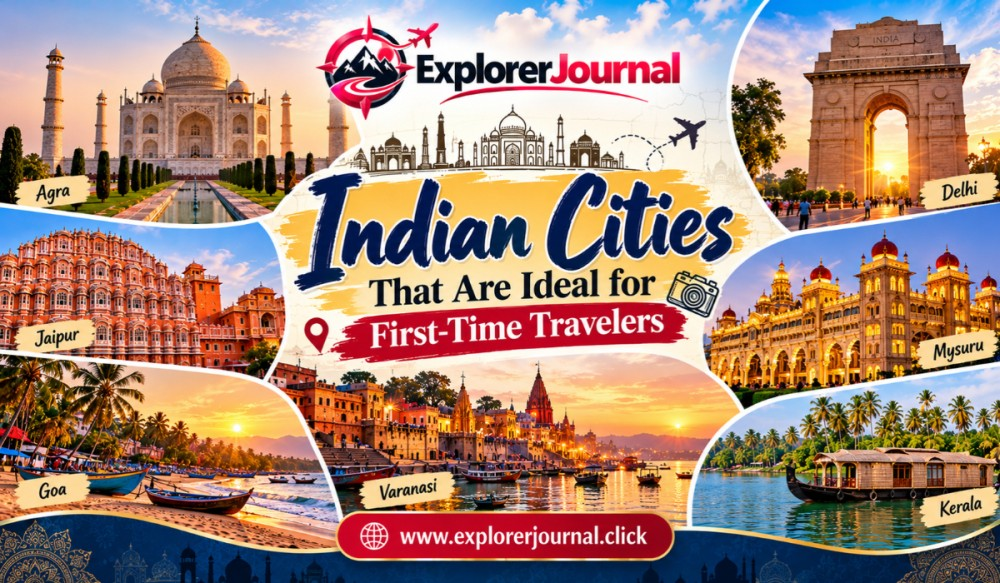
India is a country of extraordinary diversity, offering ancient monuments, colorful festivals, beautiful landscapes, delicious regional cuisines, and vibrant cities. For first-time travelers, exploring India can be an exciting opportunity to experience different cultures, traditions, and ways of life within a single journey. From the royal palaces of Rajasthan to the coastal charm of southern India, every destination offers something distinctive.
However, choosing the right city for a first visit can make a significant difference to the overall travel experience. Some cities are known for their historical landmarks and well-developed tourism facilities, while others attract visitors with natural beauty, modern infrastructure, spiritual traditions, or memorable food experiences.
Whether you are planning a short holiday, a cultural adventure, or a longer trip across the country, several Indian cities provide an excellent introduction to the country’s heritage and contemporary lifestyle.
This guide explores Indian cities that are ideal for first-time travelers, highlighting their major attractions, local food, cultural experiences, and practical travel considerations.
1. Jaipur, Rajasthan: Discover India’s Royal Heritage
Jaipur is an excellent starting point for travelers interested in India’s royal history, traditional architecture, and colorful markets. Known as the Pink City, the capital of Rajasthan is famous for its distinctive historic buildings, grand forts, and lively shopping districts.
One of Jaipur’s most recognizable landmarks is Hawa Mahal, an ornate structure featuring numerous small windows designed to allow royal women to observe street life while maintaining privacy. Visitors can also explore Amber Fort, where impressive courtyards, gateways, and decorative interiors reflect the architectural achievements of Rajasthan’s rulers.
City Palace provides another glimpse into Jaipur’s royal past, while Jantar Mantar introduces visitors to historic astronomical instruments.
Food is an important part of the experience. Travelers can try dal baati churma, ghewar, kachori, and other Rajasthani specialties at local restaurants and traditional sweet shops.
Jaipur is particularly suitable for first-time visitors because it offers recognizable attractions, established tourism services, and opportunities to experience traditional Indian crafts. Winter is generally a comfortable season for sightseeing, although checking local weather conditions before departure is always advisable.
2. Delhi: Experience History and Modern India
Delhi offers a fascinating introduction to India’s historical and contemporary identity. As the national capital, it combines ancient monuments, government buildings, busy markets, modern shopping centers, and a diverse food culture.
Visitors can explore the Red Fort, a major monument associated with the Mughal Empire, and admire the impressive architecture of Humayun’s Tomb. Qutub Minar is another important landmark, recognized for its towering structure and detailed stonework.
India Gate and the surrounding central avenues provide a different perspective on the city’s modern history. For a quieter cultural experience, visitors can explore Lodhi Garden, which combines landscaped green spaces with historic tombs.
Delhi is also famous for its culinary diversity. Street-food enthusiasts can sample chaat, parathas, kebabs, and traditional sweets, while restaurants offer dishes from across India.
The city is large and traffic can be heavy, so organizing attractions by area is helpful. The Delhi Metro is a practical way to travel between many popular destinations.
For first-time visitors, Delhi provides an opportunity to understand India’s historical depth, regional diversity, and fast-changing urban lifestyle.
3. Agra, Uttar Pradesh: Admire the Taj Mahal
Agra is an essential destination for travelers who want to experience one of the world’s most famous monuments. Located in Uttar Pradesh, the city is best known for the Taj Mahal, a white-marble mausoleum commissioned by Mughal emperor Shah Jahan in memory of Mumtaz Mahal.
The monument is admired for its symmetrical design, detailed stonework, decorative calligraphy, and gardens. Visiting early in the morning can offer a more peaceful atmosphere, although weather and seasonal conditions affect visibility.
Agra Fort is another important attraction, featuring impressive walls, courtyards, and historic buildings associated with Mughal rulers. Visitors with additional time may consider exploring nearby Fatehpur Sikri, a historic imperial city with remarkable architecture.
Agra’s food scene includes Mughlai dishes, local snacks, and traditional sweets such as petha.
Many travelers visit Agra on a short trip from Delhi, but staying overnight allows more flexibility for exploring the monuments. Advance ticket planning and checking official opening information can make the visit smoother.
For first-time travelers, Agra offers a memorable introduction to India’s architectural heritage.
4. Mumbai, Maharashtra: Explore India’s Energetic Coastal Metropolis
Mumbai is one of India’s most dynamic cities, known for its financial institutions, film industry, coastal scenery, and multicultural atmosphere. It is an excellent choice for travelers who enjoy energetic urban destinations.
The Gateway of India is one of Mumbai’s most famous landmarks, standing beside the Arabian Sea. Nearby, the historic Taj Mahal Palace hotel contributes to the area’s distinctive architectural character.
Visitors can explore Marine Drive, a waterfront promenade popular for evening walks, or visit Chhatrapati Shivaji Maharaj Terminus, an impressive historic railway station recognized for its architectural design.
Mumbai’s food culture is equally memorable. Travelers can try vada pav, pav bhaji, bhel puri, and other local favorites at reputable food stalls and restaurants. The city also offers a wide selection of international cuisine and contemporary dining experiences.
Public transportation, including suburban trains and the Metro, helps people travel around the metropolitan area, although crowds can be substantial during commuting hours.
Mumbai is ideal for visitors interested in modern India, coastal views, entertainment, and diverse food experiences.
5. Udaipur, Rajasthan: Enjoy Lakes and Palace Architecture
Udaipur offers a more relaxed introduction to Rajasthan, combining scenic lakes, historic palaces, and traditional neighborhoods. Often associated with romantic travel, the city is particularly attractive to couples, photographers, and visitors who enjoy architectural beauty.
Lake Pichola is one of Udaipur’s defining features. Boat rides provide views of the surrounding hills, waterfront buildings, and historic palaces.
City Palace is a major attraction, featuring courtyards, balconies, decorative rooms, and views across the lake. Visitors can also explore Jagdish Temple and walk through the old city’s narrow streets, where shops sell textiles, paintings, and handcrafted souvenirs.
Udaipur’s restaurants offer Rajasthani cuisine alongside other Indian and international dishes. Rooftop dining establishments overlooking the lake are popular for evening meals, although visitors should compare menus and prices before choosing a restaurant.
The cooler months are generally comfortable for exploring the city on foot. Udaipur is a strong option for travelers who prefer scenic surroundings and a slower pace of sightseeing.
6. Bengaluru, Karnataka: Discover India’s Modern Urban Culture
Bengaluru, also known as Bangalore, is recognized for its technology industry, pleasant green spaces, cafés, and contemporary lifestyle. It provides a different experience from India’s historic tourist cities.
Cubbon Park is a popular destination for walking and relaxing among trees, while Lalbagh Botanical Garden features extensive plant collections and landscaped grounds. Bengaluru Palace offers a glimpse of the city’s royal history through its architecture and interiors.
The city has a thriving café culture and a diverse dining scene. Visitors can try South Indian staples such as dosa, idli, vada, and filter coffee, as well as food from many other Indian regions.
Bengaluru also offers shopping districts, breweries, cultural venues, and contemporary restaurants. Traffic congestion can affect travel times, so visitors should choose accommodation near their preferred attractions or convenient transportation routes.
For first-time travelers interested in modern Indian life, gardens, technology, and food, Bengaluru provides a useful contrast to more traditional destinations.
7. Kochi, Kerala: Experience Coastal Culture and Heritage
Kochi is a beautiful coastal destination in Kerala, known for its historic port, multicultural heritage, waterfront scenery, and distinctive local cuisine.
Fort Kochi is one of the city’s most appealing areas. Visitors can explore colonial-era streets, historic churches, art galleries, and cafés housed in traditional buildings. The Chinese fishing nets along the waterfront are a recognizable feature of the local landscape.
Mattancherry Palace, also called the Dutch Palace, provides insight into the region’s history, while nearby streets offer opportunities to explore antique shops, spice stores, and cultural businesses.
Keralan cuisine is another highlight. Travelers can enjoy appam, puttu, seafood preparations, and dishes made with coconut and regional spices. Vegetarian options are widely available.
Kochi is also a convenient starting point for journeys into Kerala’s backwaters and other scenic destinations.
Its mix of history, coastal atmosphere, and accessible cultural experiences makes it an appealing option for first-time visitors who prefer a relaxed travel experience.
8. Varanasi, Uttar Pradesh: Explore Spiritual Traditions
Varanasi is one of India’s most historically significant cities and an important destination for travelers interested in spiritual traditions and religious heritage. Located beside the River Ganges, the city is known for its ghats, temples, narrow lanes, and longstanding cultural practices.
Dashashwamedh Ghat is one of the most famous riverfront locations. Visitors often gather in the evening to observe the Ganga Aarti, a religious ceremony involving lamps, prayers, and devotional rituals.
Boat rides on the river can provide a different perspective on the city’s architecture and daily activities along the ghats. Visitors should choose reputable operators and agree on prices before boarding.
Varanasi also offers local food experiences, including kachori, jalebi, lassi, and traditional sweets.
The city can feel crowded and intense, particularly around major religious sites. Travelers should dress respectfully, follow photography restrictions, and remain considerate of people participating in religious ceremonies.
For those interested in understanding India’s spiritual and cultural traditions, Varanasi can be a deeply memorable destination.
9. Chennai, Tamil Nadu: Discover South Indian Heritage
Chennai is an important cultural center in southern India, known for its temples, classical arts, beaches, and traditional Tamil cuisine.
Marina Beach is one of the city’s most recognizable attractions, providing a long stretch of coastline for walking and enjoying sea views. Visitors should pay attention to local safety guidance because swimming conditions can be dangerous in some areas.
Kapaleeshwarar Temple is a major religious landmark, admired for its colorful gopuram and intricate architectural details. The Government Museum offers collections related to archaeology, art, and regional history.
Chennai is particularly rewarding for food enthusiasts. Travelers can try dosa, idli, sambar, pongal, and traditional meals served on banana leaves. Filter coffee is another local favorite.
The city also has a lively music and dance scene, particularly during the annual cultural season.
Chennai is a good choice for travelers who want to explore southern India’s cultural traditions and regional cuisine.
10. Kolkata, West Bengal: Experience Art, Literature and Food
Kolkata offers a distinctive combination of colonial architecture, literature, artistic traditions, and Bengali cuisine. Often associated with intellectual and cultural life, the city provides a different perspective on India’s urban diversity.
Victoria Memorial is one of Kolkata’s best-known landmarks, featuring grand architecture and landscaped grounds. Visitors can also explore the Indian Museum, one of the country’s major museums, and admire the historic Howrah Bridge across the Hooghly River.
College Street is popular among book lovers because of its bookstores and longstanding academic atmosphere. The city’s historic neighborhoods also contain cafés, markets, and buildings that reflect different periods of its development.
Bengali food is an important part of the experience. Visitors can try dishes featuring rice, fish, vegetables, and regional spices, as well as sweets such as rasgulla and sandesh.
Kolkata is ideal for travelers who appreciate literature, art, architecture, and distinctive culinary traditions.
11. Amritsar, Punjab: Discover Hospitality and History
Amritsar is a rewarding destination for travelers interested in Sikh heritage, regional food, and India’s modern history.
The Golden Temple, also known as Harmandir Sahib, is the city’s most famous landmark and one of Sikhism’s most important spiritual centers. Visitors can admire its architecture, observe the peaceful atmosphere, and learn about the community’s traditions.
The temple complex operates a community kitchen, known as langar, which serves meals to visitors regardless of background. Travelers who participate should follow the site’s guidelines and respect local customs.
Jallianwala Bagh is another important historical site, commemorating the people killed during the 1919 massacre. It offers an opportunity to learn about a significant event in India’s struggle for independence.
Amritsar is also famous for Punjabi cuisine, including chole kulche, parathas, lassi, and traditional sweets.
The city is particularly suitable for visitors seeking cultural understanding, historical context, and memorable regional food.
12. Mysuru, Karnataka: Explore Palaces and Traditional Markets
Mysuru, also known as Mysore, is an appealing destination for travelers who enjoy royal architecture, gardens, and traditional crafts.
Mysore Palace is the city’s principal attraction, recognized for its elaborate interiors, decorative details, and impressive exterior. Its illumination during designated occasions can be especially striking, although schedules should be checked in advance.
Chamundi Hill provides views over the surrounding area and is home to an important temple. Visitors can also explore Devaraja Market, where stalls sell flowers, spices, fruit, and other everyday products.
Mysuru is known for its distinctive sweet, Mysore pak, along with South Indian meals and local snacks.
Compared with larger metropolitan destinations, Mysuru can provide a more manageable sightseeing experience. It is also suitable for travelers looking to combine palace visits with nearby cultural and natural attractions.
Tips for First-Time Travelers Exploring India
Choosing suitable destinations is only one part of planning a successful trip. A few practical preparations can make travel across India more comfortable.
Choose the Right Season
India has varied climates, so the best time to travel depends on the regions you plan to visit. The cooler months, often from October through March in many northern and central destinations, are popular for sightseeing. Southern coastal areas and mountainous regions may have different seasonal patterns.
Check local forecasts before booking, particularly if your itinerary includes outdoor activities or long journeys.
Plan Transportation in Advance
India has extensive rail, road, air, and urban transportation networks. For long distances, compare train and flight options. Book popular train journeys in advance when possible, and allow extra time for airport transfers and traffic.
Within cities, use reputable taxi services, authorized transport providers, or public transportation where convenient.
Respect Local Customs
India has many religious and cultural traditions. Dress respectfully when visiting temples, mosques, gurdwaras, and other religious places. Follow instructions regarding footwear, photography, and access to restricted areas.
Learning a few basic greetings in the local language can also make interactions more pleasant.
Explore Regional Cuisine Carefully
Indian food varies considerably by region, with differences in spices, ingredients, and preparation methods. Start with well-reviewed restaurants or busy establishments with clear menus, and communicate any allergies or dietary requirements before ordering.
Drink safe water, use sensible food hygiene practices, and choose food outlets that appear clean and well maintained.
Keep Your Itinerary Flexible
Travel distances can be substantial, and traffic or transport delays may affect plans. Avoid scheduling too many major attractions in one day. Allow time for rest, local markets, and unexpected discoveries.
First-time visitors should also keep important documents secure, maintain travel insurance, and check visa and entry requirements before departure.
Conclusion
India offers a remarkable range of destinations for first-time travelers, from Jaipur’s royal architecture and Agra’s world-famous monuments to Mumbai’s energetic streets and Kochi’s coastal heritage. Each city introduces visitors to a different aspect of the country’s history, culture, food, and everyday life.
Delhi and Kolkata provide rich historical and cultural experiences, while Varanasi and Amritsar offer opportunities to understand important spiritual traditions. Bengaluru introduces modern urban India, and destinations such as Udaipur and Mysuru provide memorable combinations of architecture and regional culture.
The best city to visit depends on your interests, available time, budget, and preferred travel style. Rather than attempting to explore too many places in a single trip, choose a few destinations that complement one another and allow enough time to experience them properly.
With thoughtful planning, respect for local customs, and an open mind, your first journey through India can become a rewarding introduction to one of the world’s most diverse and fascinating travel destinations.