Introduction
Planning a family holiday with children can be an exciting opportunity to create lasting memories, discover new destinations, and enjoy quality time together. However, organizing a successful trip requires more preparation than traveling alone or with other adults. Parents must consider budgets, transportation, accommodation, age-appropriate activities, meal preferences, and packing requirements to ensure everyone enjoys the experience.
A well-planned family holiday does not need to be expensive or complicated. Choosing a suitable destination, setting realistic expectations, and allowing enough time for rest can make the journey more comfortable for children and adults alike. Whether you are planning a beach escape, a countryside retreat, a city break, or an international adventure, thoughtful preparation helps reduce stress and avoid unnecessary expenses.
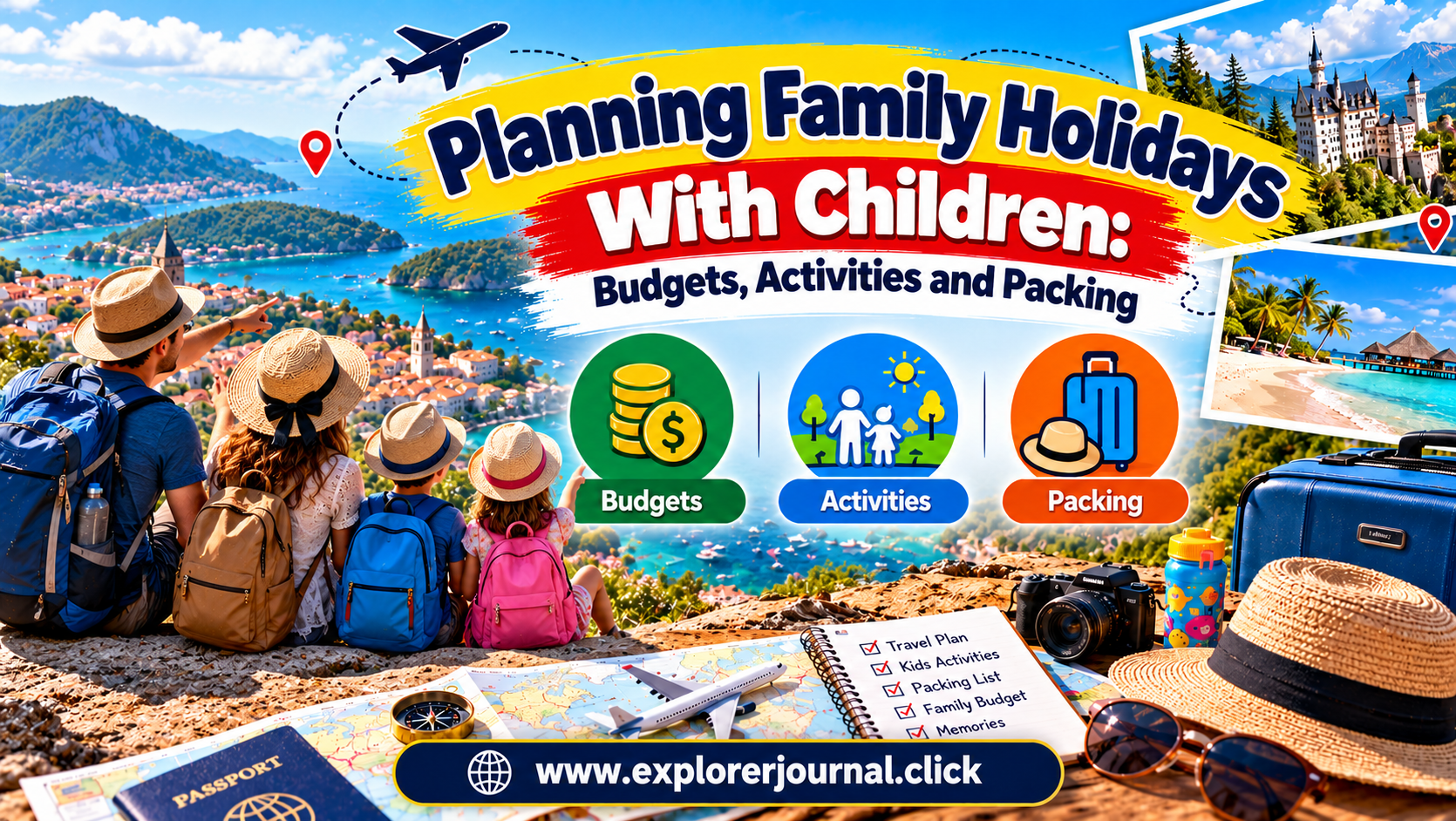
The key is to balance fun with practicality. Children need opportunities to explore, play, and relax, while parents must manage schedules, safety, and travel costs. This guide explains how to plan a family holiday by organizing your budget, selecting activities, choosing accommodation, and preparing a useful packing checklist.
1. Choose a Family-Friendly Destination
The first step is selecting a destination that matches your family’s interests, budget, and travel preferences. A location that appeals to adults may not necessarily provide enough suitable activities for younger travelers, so consider everyone’s needs before making a decision.
Beach destinations can offer swimming, sandcastle building, and relaxed outdoor activities. Mountain regions provide nature walks, scenic viewpoints, and opportunities to discover wildlife. Cities may appeal to families interested in museums, aquariums, parks, and cultural attractions.
Consider the journey itself as well as the destination. Long flights, complicated transfers, and frequent accommodation changes can be tiring for younger children. For your first family trip, a destination with convenient transportation and accessible facilities may be more practical than a complicated itinerary.
Research local weather, healthcare facilities, food availability, and transportation options. Check whether attractions have facilities for children, including restrooms, accessible paths, and family-friendly dining.
Choose a destination that offers enough variety without requiring you to travel long distances every day.
2. Set a Realistic Family Travel Budget
Establishing a budget early helps you understand what your family can comfortably afford. Begin by estimating the total amount available for transportation, accommodation, meals, activities, local travel, and other essential expenses.
Remember that traveling with children may introduce additional costs, including child fares, extra beds, attraction tickets, snacks, and childcare services. Some hotels offer family packages, complimentary stays for young children, or discounted admission to local attractions.
Divide your budget into clear categories and estimate the cost of each one. Research typical prices at your destination rather than relying on assumptions.
Set aside an emergency reserve for unexpected transportation changes, medical needs, or additional accommodation expenses. Avoid using the entire budget on flights and hotels before accounting for daily spending.
A practical budget should provide enough flexibility to enjoy occasional treats while keeping overall costs manageable. Review your spending during the trip and adjust plans if necessary.
3. Save Money on Flights and Transportation
Transportation can represent a significant part of a family holiday budget. Comparing different travel options before booking helps you identify suitable arrangements without sacrificing convenience.
When flying, compare prices across several dates and airlines. Check baggage allowances, seat-selection charges, airport transfer costs, and family seating policies before confirming tickets.
Direct flights may be worth considering when traveling with young children because they reduce the inconvenience of changing planes. However, a connecting flight may offer meaningful savings if the connection is comfortable and the total journey remains manageable.
For shorter distances, compare trains, buses, and driving. Train journeys can provide more freedom to move around, while driving may allow families to carry additional supplies.
Plan airport transfers in advance and check child-seat requirements when using rental cars or taxis. The cheapest transportation option is not always the best value if it creates excessive travel time or unnecessary stress.
4. Choose Suitable Family Accommodation
Accommodation should provide comfort, convenience, and enough space for everyone to rest. Before booking, consider room size, sleeping arrangements, bathroom facilities, and access to essential services.
Family rooms, serviced apartments, and vacation rentals can be practical options. Properties with kitchen facilities allow parents to prepare simple meals and snacks, potentially reducing restaurant expenses.
Check whether the accommodation offers useful amenities such as laundry facilities, breakfast, a swimming pool, children’s play areas, or secure luggage storage. Compare these benefits with the overall price rather than choosing a property solely because it advertises numerous facilities.
Location is equally important. Staying near public transportation, restaurants, grocery stores, and major attractions can reduce daily travel time.
Read recent reviews from families and pay attention to comments about noise, cleanliness, safety, and the accuracy of room descriptions.
Confirm sleeping arrangements, extra-bed charges, check-in procedures, and cancellation conditions before completing the reservation.
5. Create a Flexible Family Itinerary
An organized itinerary helps families make the most of their holiday, but scheduling too many activities can leave everyone exhausted. Children often need more breaks than adults, particularly when visiting busy cities or exploring unfamiliar environments.
Begin by listing the attractions that matter most to your family. Select one or two main activities for each day and leave space for meals, rest, and spontaneous discoveries.
Group nearby attractions together to avoid unnecessary travel. For example, visit a museum and nearby park on the same day instead of crossing the city repeatedly.
Check opening hours, ticket availability, age restrictions, and expected visit durations. Reserve popular attractions in advance when necessary, but avoid making every part of the itinerary dependent on strict timings.
Include downtime at the accommodation or a nearby playground. A relaxed afternoon can help children recover their energy and make the following day’s activities more enjoyable.
A flexible schedule allows families to change plans when weather conditions, tiredness, or unexpected opportunities arise.
6. Plan Activities for Different Age Groups
Children of different ages have different interests, energy levels, and abilities. A successful family holiday includes activities that appeal to everyone without making the schedule unnecessarily complicated.
Younger children may enjoy playgrounds, beaches, animal encounters, interactive museums, and short nature walks. School-aged children might prefer science centers, cycling routes, boat rides, historical attractions, and outdoor adventures.
Teenagers may appreciate photography opportunities, local food experiences, shopping districts, sports activities, or independent time within agreed boundaries.
Look for activities that encourage the whole family to participate. Cooking classes, easy hiking trails, wildlife parks, and cultural workshops can provide shared experiences across several age groups.
Before booking, check minimum age requirements, physical difficulty, safety equipment, and supervision arrangements.
Allow children to help select some activities. Giving them a choice can increase enthusiasm and make the holiday feel like a shared adventure rather than a schedule created entirely by adults.
7. Pack Clothing According to the Destination
Packing for children requires preparation because weather, activities, and unexpected spills can influence how many clothes you need.
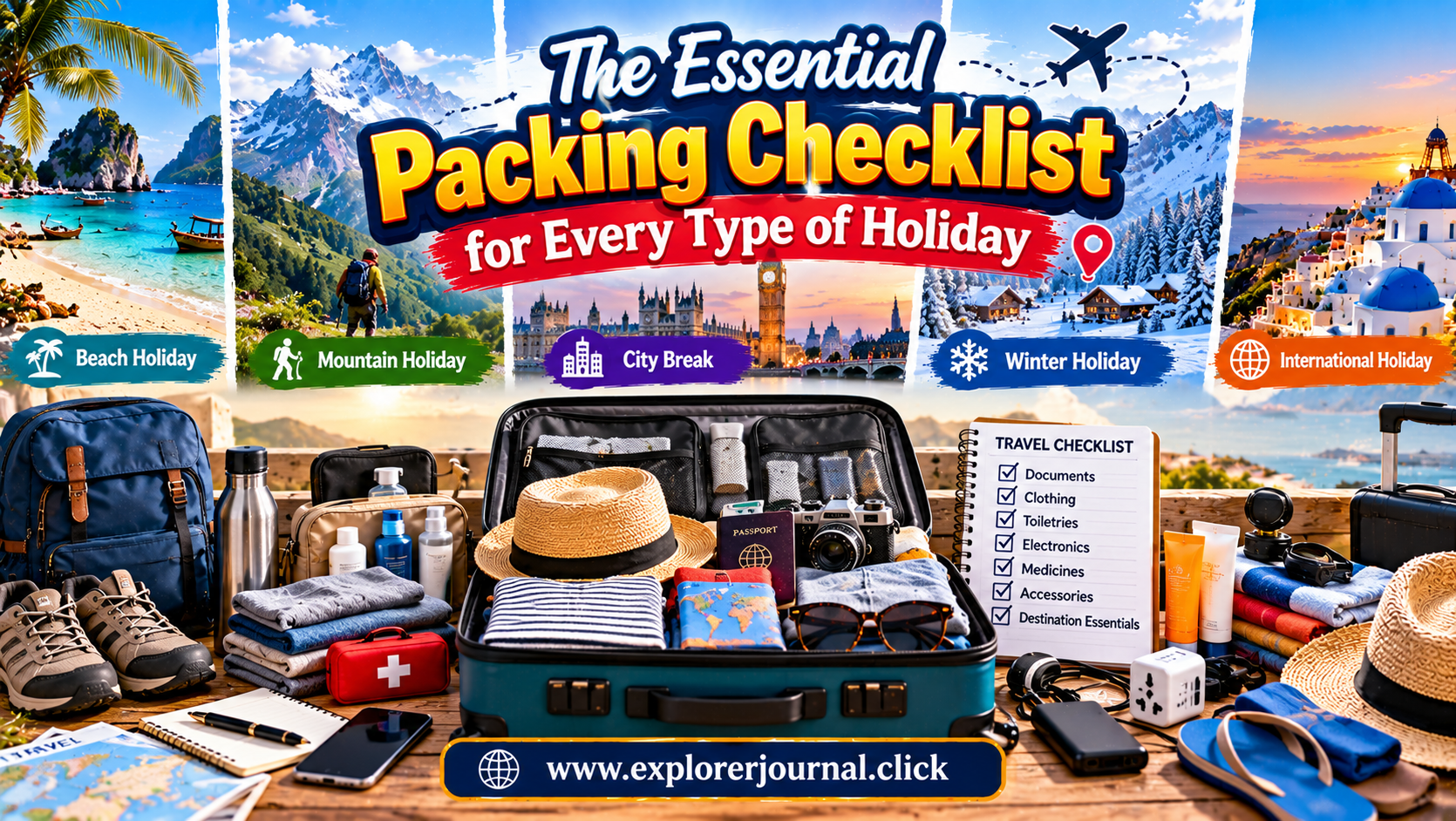
Check the forecast before departure and pack clothing suitable for the expected conditions. Beach holidays require swimwear, lightweight outfits, sandals, hats, and sun protection. Colder destinations may require thermal layers, waterproof jackets, gloves, and suitable footwear.
Choose versatile clothing that can be combined into several outfits. Pack enough underwear and socks for the trip, along with comfortable sleepwear and an extra outfit for travel days.
Avoid packing excessive clothing that children may never wear. If your accommodation offers laundry facilities, you can often bring fewer garments.
Include an additional change of clothes in your carry-on bag, particularly when traveling with babies or toddlers.
Use separate packing cubes or labeled bags to organize clothing by child or category. This makes it easier to find essentials without unpacking the entire suitcase.
8. Prepare a Family Travel Essentials Kit
A dedicated essentials kit keeps frequently used items accessible during transportation and sightseeing. The contents depend on your children’s ages, destination, and individual requirements.
Useful items may include tissues, wet wipes, hand sanitizer, reusable water bottles, snacks, sunscreen, hats, and small bags for waste. Parents traveling with babies may also need diapers, changing supplies, feeding equipment, and familiar comfort items.
Carry necessary medication and basic first-aid supplies. Keep prescription medicines appropriately labeled and check destination rules before traveling internationally.
A small activity pouch can help children stay occupied during long journeys. Coloring books, pencils, cards, compact toys, headphones, and downloaded entertainment can be useful.
Pack essentials in an accessible bag rather than placing everything in checked luggage. Check airline restrictions concerning liquids, medicines, batteries, and other items before departure.
Keeping important supplies organized can prevent unnecessary purchases and reduce stress when children need something quickly.
9. Keep Children Safe During the Journey
Safety should remain a priority throughout a family holiday. Before departure, research local emergency numbers, healthcare facilities, and relevant safety recommendations for your destination.
Teach children basic safety rules appropriate to their ages. Explain what they should do if they become separated from the family and identify suitable adults they can approach for help.
Younger children may benefit from carrying a card with a parent’s contact information, provided it is handled appropriately. Establish a clear meeting point when visiting crowded attractions.
Use suitable child restraints when traveling by car and check local requirements. Supervise children around swimming pools, beaches, roads, balconies, and unfamiliar outdoor environments.
Keep essential medication, travel documents, and emergency contacts accessible. If visiting remote areas, check communication coverage and available medical assistance.
Discuss safety expectations calmly before activities begin. Clear instructions help children understand boundaries while still allowing them to explore and enjoy new experiences.
10. Make Meals and Snacks Easier
Food planning can make family travel more comfortable and help control expenses. Children may have familiar preferences, allergies, or dietary requirements that require additional preparation.
Research restaurants and grocery stores near your accommodation before arrival. Choose destinations where suitable food options are reasonably accessible, particularly if your children have specific dietary needs.
Carry convenient snacks for flights, train journeys, sightseeing, and unexpected delays. Fruit, crackers, and other suitable foods can help manage hunger between meals.
If your accommodation includes a kitchen, prepare simple breakfasts or occasional dinners. This can reduce restaurant expenses while allowing children to eat familiar foods.
When dining out, check menus and prices beforehand. Restaurants with flexible meal options may be more convenient for families.
For international travel, learn a few phrases explaining food allergies or dietary restrictions. Confirm ingredients with restaurant staff rather than assuming a dish is suitable based on its name alone.
11. Prepare Children for Long Journeys
Long journeys can be tiring, especially for younger children who may struggle with extended periods of sitting. Preparing entertainment and planning breaks can make transportation more manageable.
Before departure, explain the journey in simple terms. Discuss how long the trip may take, what will happen at the airport or station, and when everyone can expect breaks.
Download films, games, audiobooks, and other suitable entertainment before leaving home. Bring headphones, charging cables, and a power bank when permitted.
For road trips, plan regular stops for meals, restroom visits, stretching, and outdoor breaks. Avoid driving for extended periods without sufficient rest.
Allow extra time for check-in procedures, security screening, and connections. Rushing between transportation points can increase stress for parents and children.
Most importantly, maintain realistic expectations. Delays and restlessness are possible, so a calm approach and a flexible schedule can make the experience easier for everyone.
12. Encourage Learning Through Travel
Family holidays can provide valuable learning opportunities beyond the classroom. Visiting historical landmarks, cultural centers, nature reserves, and local markets helps children understand different environments and ways of life.
Before traveling, introduce children to the destination through maps, books, documentaries, or simple activities. Discuss the places you plan to visit and encourage them to ask questions.
During the holiday, let children notice architectural details, identify plants, learn basic local words, or compare foods and traditions.
Choose experiences that encourage curiosity without turning every activity into a formal lesson. A visit to a traditional market or a conversation with a local guide can be educational while remaining enjoyable.
After returning home, create a photo album, travel journal, or small presentation together. These activities help children remember their experiences and reflect on what they discovered.
Conclusion
Planning a successful family holiday involves balancing budgets, suitable activities, practical packing, and the needs of every family member. Choosing a convenient destination, comparing transportation costs, and booking appropriate accommodation can establish a strong foundation for the trip.
A flexible itinerary, age-appropriate experiences, organized essentials, and sensible safety precautions help make travel more comfortable for parents and children. Preparing snacks, clothing, entertainment, and necessary medication also reduces avoidable stress.
Remember that a memorable holiday does not require an expensive destination or a packed schedule. Simple experiences, shared discoveries, and time spent together can become the most meaningful parts of the journey.
With thoughtful preparation and realistic expectations, families can enjoy their holidays more confidently, manage expenses effectively, and create lasting memories that children will cherish long after returning home.