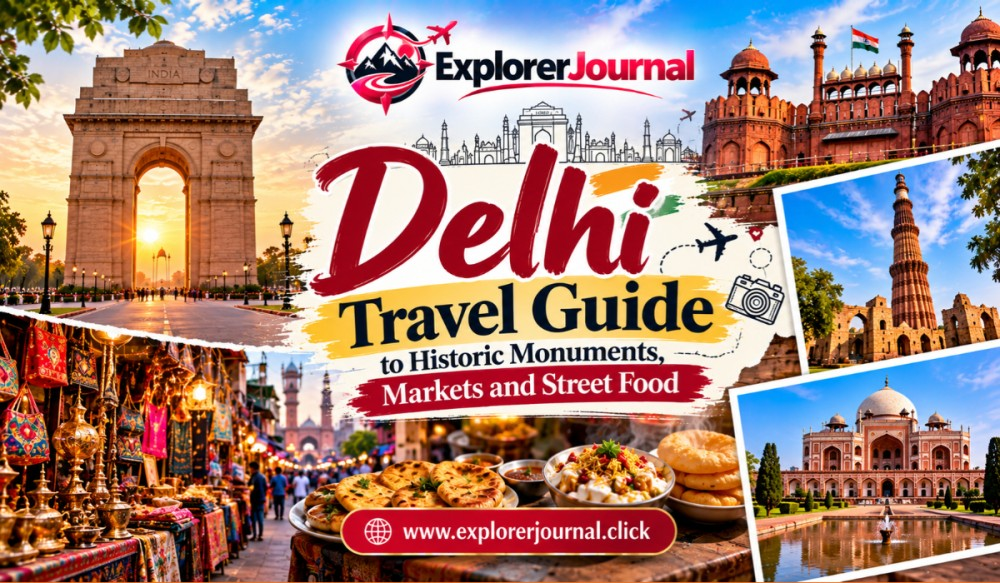
Delhi is one of India’s most fascinating travel destinations, offering a remarkable combination of historic monuments, colorful markets, diverse food traditions, and modern city life. As India’s capital, Delhi reflects centuries of cultural change, from the architecture of the Mughal Empire to colonial-era landmarks and contemporary commercial districts. Its streets reveal stories of emperors, traders, artists, and communities that have shaped the city over generations.
For travelers visiting Delhi for the first time, the city offers countless opportunities to explore India’s heritage while enjoying some of its most memorable culinary experiences. You can admire magnificent monuments in the morning, browse traditional markets in the afternoon, and finish the day sampling delicious street food. Although Delhi is large and busy, planning activities by neighborhood can make sightseeing more convenient.
This Delhi travel guide explores the city’s most important historic monuments, popular markets, street-food experiences, transportation options, and practical travel tips to help you plan an enjoyable visit.
Why Visit Delhi?
Delhi stands out because of its extraordinary historical depth and cultural diversity. The city has served as a center of political power for different dynasties, leaving behind forts, tombs, mosques, gardens, and architectural landmarks.
Old Delhi offers narrow lanes, traditional businesses, spice markets, and famous food streets. New Delhi features broad avenues, government buildings, landscaped gardens, museums, and modern shopping areas. Together, these districts create a travel experience that combines India’s historical heritage with its contemporary lifestyle.
Food is another major reason to visit. Delhi’s culinary scene includes Mughlai dishes, Punjabi specialties, North Indian snacks, regional sweets, and international cuisine. From busy street stalls to established restaurants, visitors can discover a wide range of flavors.
Whether you enjoy history, shopping, architecture, photography, or food, Delhi offers a rewarding introduction to India’s diversity.
Top Historic Monuments to Visit in Delhi
1. Red Fort
The Red Fort is one of Delhi’s most important historical landmarks. Built during the Mughal period under Emperor Shah Jahan, the fort served as an imperial residence and an important center of political power.
Its imposing red sandstone walls, decorated gateways, courtyards, and historic structures demonstrate the architectural achievements of the Mughal era. Visitors can explore designated areas of the complex and learn about the city’s history through exhibitions and displays.
The fort is also closely connected with modern India’s national identity because the Prime Minister delivers the Independence Day address from this location each year.
A visit to the Red Fort can be combined with a walk through Chandni Chowk, which lies nearby. Checking current opening hours and ticket arrangements before arrival is recommended.
2. Qutub Minar
Qutub Minar is a striking historical monument located in southern Delhi. The towering structure is famous for its detailed stone carvings, inscriptions, and distinctive architectural design.
The surrounding Qutub complex contains additional historical remains, including ancient structures and the well-known Iron Pillar. Together, these monuments provide insight into the region’s medieval architectural and cultural history.
The landscaped grounds offer opportunities for photography and leisurely exploration. Visitors interested in architecture should pay attention to the decorative patterns and changes in construction style visible across the complex.
Qutub Minar is located away from Old Delhi’s busiest historic districts, so planning transportation in advance can help save time.
3. Humayun’s Tomb
Humayun’s Tomb is an important Mughal monument recognized for its elegant design, symmetrical gardens, and red sandstone and white marble construction.
Built in the sixteenth century, the tomb influenced later Mughal architecture and is often discussed in relation to the design traditions that eventually produced the Taj Mahal.
Visitors can explore the garden pathways, admire the central structure, and observe the detailed arches and decorative features. The landscaped setting offers a relatively peaceful break from the city’s busy roads.
The site is especially attractive to travelers interested in history, architecture, and photography. Morning and late-afternoon visits can provide pleasant lighting for exploring the grounds.
4. India Gate and Kartavya Path
India Gate is one of New Delhi’s most recognizable landmarks. This monumental arch commemorates Indian soldiers who died during the First World War and related conflicts.
The surrounding area includes broad avenues and landscaped public spaces. Visitors can walk around the monument, enjoy the open setting, and observe the architectural layout of the central government district.
Nearby Kartavya Path connects the area with other important landmarks, including Rashtrapati Bhavan, the official residence of the President of India. Access to particular areas may be restricted during official events, so checking current local arrangements is helpful.
The area is especially popular during the evening, when people gather for walks and refreshments. It provides a different atmosphere from the crowded streets of Old Delhi.
5. Jama Masjid
Jama Masjid is one of India’s largest historic mosques and an important example of Mughal religious architecture. Located in Old Delhi, it features grand entrances, elegant domes, and tall minarets.
Visitors can admire the structure and learn about its place in Delhi’s cultural and religious history. The surrounding neighborhood offers a lively combination of traditional shops, food stalls, and narrow streets.
Because the mosque remains an active place of worship, visitors should dress modestly and follow instructions regarding entry, footwear, photography, and prayer times.
A visit to Jama Masjid can be combined with exploring Chandni Chowk and nearby food streets, making it a convenient stop on an Old Delhi itinerary.
6. Lodhi Garden
Lodhi Garden offers a peaceful green space filled with historic tombs, walking paths, lawns, and mature trees. It is an appealing destination for travelers who want a break from Delhi’s busy roads.
The garden contains structures associated with the Sayyid and Lodi dynasties, providing opportunities to discover historical architecture in a relaxed outdoor setting.
Visitors can enjoy a morning walk, photograph the monuments, or simply spend time surrounded by greenery. The garden is also popular among local residents who come for exercise and relaxation.
Combining Lodhi Garden with nearby attractions in central Delhi can create a balanced day of historical sightseeing and outdoor leisure.
Explore Delhi’s Famous Markets
1. Chandni Chowk
Chandni Chowk is one of Delhi’s most famous historic market districts. Established during the Mughal period, it remains a busy commercial area where traditional shops, wholesalers, eateries, and street vendors operate side by side.
Visitors can browse textiles, clothing, jewelry, household goods, spices, and souvenirs. The surrounding lanes each have their own specialties, making the area particularly interesting for shoppers who enjoy discovering traditional businesses.
Chandni Chowk is also well known for its food culture, with shops serving parathas, sweets, chaat, and other local favorites.
The market can be crowded, especially during weekends and festival periods. Wear comfortable shoes, secure your belongings, and consider visiting earlier in the day for a more manageable experience.
2. Khari Baoli Spice Market
Khari Baoli is widely recognized as one of Asia’s largest spice markets. Located near Chandni Chowk, it offers an impressive display of spices, dried fruits, nuts, herbs, and other food ingredients.
The market is particularly appealing to travelers interested in Indian cooking and culinary traditions. The aroma of spices and the movement of traders create a distinctive atmosphere that reflects Delhi’s longstanding role in commerce.
Visitors can purchase small quantities of spices or browse the products available from different vendors. When shopping, compare prices and ask about packaging if you intend to carry food products internationally.
Because the market handles substantial quantities of goods, some areas can be dusty and busy. A relaxed visit with attention to your surroundings will make the experience more enjoyable.
3. Dilli Haat
Dilli Haat offers a different shopping experience, bringing together handicrafts, textiles, artwork, and food associated with different Indian states.
Visitors can browse handmade products, traditional clothing, decorative items, and regional souvenirs. The selection changes over time, making the destination useful for discovering crafts from different parts of the country.
The food stalls are another attraction, with regional dishes providing an opportunity to explore India’s culinary diversity in one place.
Dilli Haat is a good option for travelers who prefer an organized market environment rather than the intense crowds of Old Delhi. Check the current entry arrangements and opening hours before visiting.
4. Connaught Place
Connaught Place is a major commercial district known for its circular layout, colonial-era architecture, shops, restaurants, cafés, and entertainment venues.
The white colonnaded buildings create a distinctive architectural setting, while the surrounding streets offer a mixture of established businesses and modern retail stores.
Visitors can shop for clothing, books, accessories, and souvenirs, or take a break at a café. The district also provides convenient access to public transportation, making it a useful stop during a day of sightseeing.
Connaught Place is particularly suitable for travelers who want to combine shopping with a more contemporary urban experience.
Street Food in Delhi Every Traveler Should Try
Delhi’s street-food culture is one of its greatest attractions. The city’s food traditions have developed through regional influences, migration, and generations of culinary experimentation.
1. Chole Bhature
Chole bhature is a popular North Indian dish featuring spicy chickpea curry served with deep-fried bread. It is a filling meal commonly enjoyed for breakfast, brunch, or lunch.
Restaurants and food establishments across Delhi prepare different versions, with variations in seasoning, accompaniments, and serving style.
Travelers can look for busy, reputable eateries with clear menus and freshly prepared food. Because the dish is rich and substantial, it can easily serve as the main meal of the day.
2. Aloo Tikki and Chaat
Chaat includes a wide variety of savory snacks that combine textures and flavors such as crisp pastry, potatoes, chickpeas, yogurt, chutneys, and spices.
Aloo tikki is made from seasoned potato patties that are usually fried until crisp and served with sauces or chickpeas. Other popular options include papdi chaat and dahi bhalla.
These snacks are especially enjoyable for visitors who want to sample multiple dishes in smaller portions.
Food hygiene is important when choosing street-food stalls. Prefer vendors with good turnover, clean preparation areas, and freshly cooked ingredients. Travelers with sensitive stomachs should be cautious about raw garnishes and water-based sauces.
3. Parathas
Parathas are a familiar part of North Indian cuisine, and Old Delhi is well known for establishments serving stuffed versions.
Fillings may include potato, cauliflower, paneer, or other ingredients, depending on the restaurant. Parathas are often accompanied by pickles, yogurt, chutneys, or vegetable preparations.
They provide a satisfying meal for travelers exploring the historic market district. Ask about preparation methods if you have dietary restrictions or prefer less oil and spice.
4. Kebabs and Mughlai Food
Delhi’s Mughlai culinary traditions reflect the city’s historical connections with royal kitchens and regional cooking styles.
Visitors can find kebabs, biryani, rich curries, and grilled preparations at restaurants throughout the city. Old Delhi has a particularly strong reputation for traditional meat dishes, while vegetarian alternatives are available at many establishments.
For an enjoyable dining experience, check restaurant menus and prices before ordering. Travelers who do not eat meat can explore paneer dishes, dal, vegetable curries, and other Indian specialties.
5. Jalebi and Traditional Sweets
Jalebi is a popular Indian sweet made from batter that is fried into circular shapes and soaked in syrup. It is often served warm and provides a memorable introduction to Delhi’s sweet-making traditions.
Other sweets worth trying include gulab jamun, peda, and varieties of milk-based desserts.
Traditional sweet shops can be found throughout the city, especially around major markets. Choose establishments with good food-handling practices and consider buying small portions if you want to sample several varieties.
Suggested Three-Day Delhi Travel Itinerary
If you have three days in Delhi, organizing your sightseeing by location can help you explore more comfortably.
Day 1: Old Delhi
Begin with the Red Fort, then explore Jama Masjid and Chandni Chowk. Spend time browsing traditional shops and the Khari Baoli spice market. Finish the day by sampling local snacks at reputable eateries.
Day 2: New Delhi and Central Landmarks
Visit India Gate and explore the central government district from publicly accessible areas. Continue to Humayun’s Tomb or Lodhi Garden, depending on your interests. In the evening, enjoy dinner or shopping around Connaught Place.
Day 3: Southern Delhi and Local Shopping
Spend the morning exploring Qutub Minar and its surrounding complex. Later, visit Dilli Haat to browse handicrafts and sample regional dishes. Keep the evening flexible for a relaxed meal or a visit to another attraction.
This itinerary is flexible. If you prefer a slower pace, choose fewer attractions and allow more time for food, photography, and exploring individual neighborhoods.
How to Get Around Delhi
Delhi has an extensive public transportation network, including the Delhi Metro, buses, and authorized taxi services.
The Metro is often one of the most convenient ways to travel between major attractions and commercial areas. However, some monuments and markets require additional walking or a short onward journey from the nearest station.
Use a reliable navigation app to plan routes and check service updates. During busy periods, traffic can significantly increase road travel times.
Auto-rickshaws and taxis are useful for shorter journeys, particularly where public transportation does not provide direct access. Confirm fares or use reputable services before starting a trip.
For Old Delhi, walking is often the best way to explore individual market lanes, but crowds can be intense. Keep valuables secure and remain aware of vehicles and pedestrians.
Best Time to Visit Delhi
October through March is generally a popular period for sightseeing because temperatures are often more comfortable than during the summer months.
Winter can bring cold mornings and fog, which may affect visibility and transportation. Spring is often pleasant for exploring gardens and historic sites, although temperatures rise as the season progresses.
Summer can be extremely hot, making outdoor sightseeing more difficult during the middle of the day. During the monsoon season, rain and humidity may affect travel plans.
Check local weather forecasts before departure and schedule outdoor activities for comfortable periods. Major festivals and holidays can also increase crowds at popular attractions and markets.
Practical Travel Tips for First-Time Visitors
Before traveling, confirm your passport validity, visa requirements, travel insurance, and entry conditions. Keep copies of important documents securely stored.
Dress respectfully when visiting religious sites and follow instructions regarding footwear, photography, and restricted areas. Learn a few basic Hindi expressions, such as namaste for hello and dhanyavaad for thank you, although English is also widely used in many tourist settings.
When shopping, compare prices and confirm the final amount before paying. At restaurants, review menus and check prices to avoid surprises.
Stay hydrated, use sun protection, and choose reputable food vendors. Travelers with allergies or dietary restrictions should communicate their needs clearly before ordering.
Finally, avoid planning too many attractions in a single day. Delhi is a large city, and allowing extra time for transportation and rest can make the trip much more enjoyable.
Delhi is a rewarding destination for travelers who want to discover India’s history, shopping traditions, and famous street-food culture. From the impressive Red Fort and Qutub Minar to the lively lanes of Chandni Chowk and the colorful stalls of Dilli Haat, the city offers experiences that combine historical discovery with everyday local life.
Its food scene provides another reason to explore, with chole bhature, chaat, parathas, kebabs, and traditional sweets offering a taste of North Indian culinary heritage.
For the best experience, combine major monuments with market visits, use the Metro where convenient, and leave time to discover local neighborhoods at a relaxed pace. By preparing for the weather, respecting cultural customs, and choosing food establishments carefully, first-time visitors can enjoy a memorable journey through India’s capital.
Whether you are visiting for a weekend or planning a longer trip, Delhi offers a fascinating introduction to the country’s architectural heritage, cultural diversity, and vibrant urban lifestyle.
Make the itinerary more actionableReduce repeated travel advice