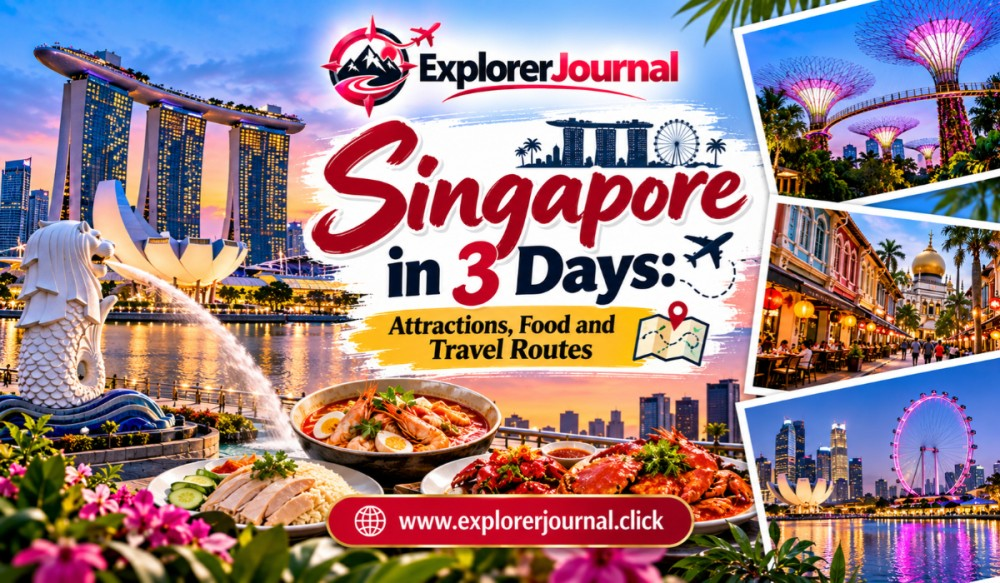
Singapore is one of Southeast Asia’s most exciting travel destinations, offering a remarkable combination of modern architecture, lush green spaces, multicultural neighborhoods, delicious street food, and efficient public transportation. Despite its relatively small size, the city-state provides an impressive variety of experiences, from futuristic gardens and waterfront attractions to traditional temples, lively shopping streets, and historic districts.
For first-time visitors, spending three days in Singapore is enough to explore several major landmarks, sample famous local dishes, and discover different aspects of the country’s cultural identity. The key is to plan activities according to location, allowing enough time to enjoy each destination without spending too much time traveling.
This guide to Singapore in 3 days covers the best attractions, food experiences, suggested travel routes, accommodation areas, and practical tips to help you make the most of a short visit.
Why Visit Singapore?
Singapore stands out for its combination of modern urban planning, cultural diversity, and convenient travel infrastructure. Chinese, Malay, Indian, and other cultural influences shape its neighborhoods, festivals, architecture, and cuisine.
The city is famous for its clean public spaces, extensive transport network, contemporary skyline, and carefully maintained gardens. Visitors can explore historic neighborhoods in the morning, enjoy an affordable meal at a hawker centre, and admire illuminated waterfront buildings after sunset.
Singapore is also a convenient destination for families, couples, solo travelers, and business visitors. English is widely used, public transportation is easy to navigate, and many attractions are connected by the MRT train network.
With a well-organized itinerary, three days can provide a rewarding introduction to Singapore’s most memorable experiences.
Day 1: Marina Bay, Gardens by the Bay and the City Skyline
<text color=”secondary” size=”sm”>Suggested route: Marina Bay Sands → Merlion Park → Gardens by the Bay → Singapore waterfront</text>
Morning: Explore Marina Bay Sands
Begin your first day around Marina Bay, one of Singapore’s most recognizable districts. Marina Bay Sands is famous for its three hotel towers connected by a distinctive rooftop structure.
The surrounding complex includes shopping areas, restaurants, entertainment venues, and public spaces overlooking the waterfront. Visitors can explore the architecture and enjoy views of the city from accessible public areas.
For an elevated perspective, consider visiting the SkyPark Observation Deck, subject to current ticket arrangements and opening hours. It offers views of the skyline, the bay, and nearby landmarks.
Arriving earlier in the day can help you enjoy the area before afternoon crowds become heavier. If you plan to visit several attractions, check ticket availability in advance.
Late Morning: Visit Merlion Park
Walk toward Merlion Park, home to the famous statue depicting a mythical creature with a lion’s head and a fish’s body. The Merlion is one of Singapore’s best-known national symbols.
The park provides excellent views of Marina Bay Sands, the waterfront, and surrounding skyscrapers. It is a popular photography location and an easy stop to include between nearby attractions.
Spend some time walking along the promenade and observing the contrast between the city’s modern buildings and the water surrounding the bay.
Because the main attractions in this area are relatively close together, exploring on foot is often more convenient than taking a taxi between every stop.
Afternoon: Discover Gardens by the Bay
Gardens by the Bay is a major attraction featuring innovative landscape design, enormous Supertrees, waterfront gardens, and impressive indoor conservatories.
The Flower Dome showcases plants from different regions and climates, while the Cloud Forest features a dramatic indoor waterfall and lush vegetation. Both conservatories provide a refreshing environment away from Singapore’s tropical heat.
The outdoor gardens are also worth exploring. The Supertree Grove is particularly recognizable for its towering tree-like structures, which combine artistic design with environmental technologies.
Allow several hours if you intend to visit both conservatories and the outdoor areas. Check official information for current admission prices, opening times, and any scheduled maintenance.
Evening: Enjoy the Waterfront and Light Displays
Return to the Marina Bay area in the evening to enjoy the illuminated skyline. Depending on the current schedule, visitors may be able to watch outdoor light-and-water performances around the waterfront or at Gardens by the Bay.
Performance schedules can change, so confirm the details before arranging your evening around a particular show.
For dinner, explore nearby restaurants or travel to a hawker centre for a more budget-friendly meal. Lau Pa Sat is a popular choice for local dishes and a lively dining atmosphere.
End the day with a relaxed walk beside the bay, where the reflections of illuminated buildings create excellent opportunities for night photography.
Day 2: Culture, Historic Neighborhoods and Local Food
<text color=”secondary” size=”sm”>Suggested route: Chinatown → Little India → Kampong Glam → local food experience</text>
Morning: Explore Chinatown
Begin your second day in Chinatown, a neighborhood that reflects Singapore’s Chinese heritage through its temples, traditional businesses, markets, and food establishments.
Visit the Buddha Tooth Relic Temple, known for its detailed architecture and religious significance. Visitors can also explore the surrounding streets, where traditional shops stand beside modern cafés and independent retailers.
Chinatown is an excellent place to learn about the cultural traditions that helped shape Singapore. Take time to browse souvenir stores and explore the smaller streets rather than visiting only the main attractions.
Food is another highlight. Local establishments serve dishes such as chicken rice, noodle soups, dumplings, and traditional Chinese desserts.
Remember to dress respectfully when entering religious sites and follow posted rules regarding photography and visitor access.
Lunch: Experience Singapore’s Hawker Culture
A visit to Singapore would be incomplete without eating at a hawker centre. These public dining spaces bring together numerous food stalls serving affordable dishes from different culinary traditions.
Maxwell Food Centre is a convenient option when exploring Chinatown. Visitors can find chicken rice, noodle dishes, porridge, and other local favorites, although individual stalls may have different opening schedules.
Chicken rice is particularly popular because it combines fragrant rice, tender chicken, sauces, and accompaniments. Other dishes worth trying include char kway teow, laksa, and roti prata.
Choose a stall with a menu and prices clearly displayed. Hawker centres can become busy around lunchtime, so arriving a little earlier may make finding a seat easier.
Afternoon: Discover Little India
Continue to Little India, a lively district known for its colorful streets, Indian restaurants, temples, textile shops, and cultural landmarks.
The area offers a different atmosphere from Marina Bay and Chinatown. Visitors can browse shops selling clothing, jewelry, spices, and household goods while observing the neighborhood’s distinctive architecture.
Sri Veeramakaliamman Temple is an important religious landmark in the district. Visitors should follow local etiquette, dress appropriately, and check any restrictions before entering.
Little India is also an excellent destination for food lovers. Restaurants and casual eateries serve dishes such as dosa, biryani, thali meals, and South Indian specialties.
If you enjoy shopping, consider visiting the area’s traditional stores for textiles, souvenirs, and locally popular products.
Late Afternoon: Visit Kampong Glam
Head to Kampong Glam, a historic neighborhood associated with Malay and Muslim heritage. The area combines traditional architecture, cultural attractions, independent boutiques, and contemporary cafés.
Sultan Mosque is the district’s most recognizable landmark, with its impressive golden dome and historic significance. Visitors can explore the surrounding streets, including Haji Lane, which is known for its colorful murals, small shops, and creative atmosphere.
The neighborhood is particularly appealing to travelers interested in photography, local design, and cultural exploration.
Take a break at a café or enjoy traditional Malay and Middle Eastern-inspired dishes at one of the area’s restaurants.
Evening: Enjoy a Traditional Dinner
Finish your second day with a meal that reflects Singapore’s cultural diversity. Kampong Glam offers a range of options, from Malay cuisine to Middle Eastern dishes and contemporary dining.
Try nasi lemak, a fragrant rice dish often served with sambal, peanuts, anchovies, and additional accompaniments. Another popular option is satay, consisting of grilled skewers served with a flavorful peanut-based sauce.
If you prefer a relaxed evening, walk through the neighborhood after dinner and explore its illuminated streets before returning to your hotel.
Day 3: Sentosa Island, Beaches and Relaxation
<text color=”secondary” size=”sm”>Suggested route: Sentosa Island → beach activities → leisure attractions → evening dining</text>
Morning: Travel to Sentosa Island
Spend your third day exploring Sentosa Island, a leisure destination offering beaches, entertainment, attractions, and outdoor activities.
You can reach Sentosa through several options, including the Sentosa Express, walking routes from the HarbourFront area, and other designated transport services. Check current access arrangements and fares before traveling.
Begin with a walk around the island or visit one of its major attractions. Universal Studios Singapore is a popular choice for travelers who enjoy theme parks, rides, and entertainment based on films and television.
Because the theme park can take much of the day, decide in advance whether you want to dedicate your visit to the park or explore several different Sentosa attractions.
Check operating hours, ticket availability, height restrictions, and ride schedules before arrival.
Afternoon: Relax at Siloso or Palawan Beach
If you prefer outdoor relaxation, spend the afternoon at one of Sentosa’s beaches.
Siloso Beach is known for its lively atmosphere and recreational activities, while Palawan Beach offers a scenic coastal setting popular with families and leisure travelers.
Visitors can walk along the shoreline, enjoy refreshments at nearby establishments, or simply take a break from the city’s busy sightseeing districts.
Singapore’s tropical weather can be hot and humid, so carry water, apply sunscreen, and take breaks in shaded areas. Check weather conditions before planning water-based activities.
Swimming conditions and available facilities may vary, so follow posted safety instructions.
Late Afternoon: Explore More of Sentosa
Depending on your interests, use the remainder of the afternoon to visit another attraction, explore the island’s walking routes, or enjoy a scenic viewpoint.
Families may prefer entertainment attractions, while couples might choose a quiet beachside café or a leisurely walk.
If your itinerary includes Universal Studios Singapore, consider spending the afternoon there instead of trying to combine too many separate activities. A more relaxed schedule generally creates a better experience than rushing between distant attractions.
Evening: Return to the City for Dinner
Return to mainland Singapore for your final evening. You could visit the waterfront again, explore a neighborhood you missed, or enjoy dinner at a restaurant near your accommodation.
For a memorable final meal, consider sampling chili crab, a famous Singaporean seafood dish prepared with a rich, flavorful sauce. It is often shared between diners and is especially enjoyable when accompanied by bread or rice.
Travelers looking for a less expensive option can return to a hawker centre for noodles, rice dishes, or local desserts.
End your trip with a final evening walk through Singapore’s illuminated streets before preparing for departure.
Best Foods to Try During Your Singapore Trip
Singapore’s food culture is one of its strongest attractions. Its multicultural population has created a diverse culinary scene featuring Chinese, Malay, Indian, Peranakan, and international influences.
Here are several dishes worth including in your itinerary.
Hainanese chicken rice: A popular local dish featuring chicken, fragrant rice, sauces, and accompanying ingredients. It is widely available at hawker centres and restaurants.
Laksa: A flavorful noodle soup commonly prepared with a rich, spiced coconut-based broth, seafood or other proteins, and noodles. Recipes vary by style.
Chili crab: A famous seafood dish featuring crab cooked in a spicy, savory sauce. It is often associated with celebratory dining and may be more expensive than everyday hawker meals.
Satay: Grilled meat skewers served with a peanut-based sauce and other accompaniments. It is a popular choice for casual dining.
Kaya toast: A breakfast favorite made with toasted bread, kaya coconut jam, and often butter. It is commonly served with coffee or tea.
Roti prata: A flaky flatbread influenced by South Indian cuisine, often served with curry or other accompaniments.
Exploring different hawker centres is one of the easiest ways to sample several dishes without spending too much on individual meals.
Where to Stay in Singapore
Choosing accommodation near public transportation can make a three-day visit much easier.
Marina Bay: This area is suitable for travelers who want modern surroundings, waterfront views, and convenient access to major attractions. Luxury accommodation is common, so it may require a larger budget.
Orchard Road: This district is ideal for shopping enthusiasts and visitors who want access to department stores, restaurants, and MRT connections.
Chinatown: Chinatown offers cultural attractions, dining options, and convenient transport links. It can be a practical base for first-time visitors who want to explore different parts of the city.
Bugis and Kampong Glam: These neighborhoods provide access to traditional markets, independent shops, cafés, and cultural landmarks. They offer a different atmosphere from the city’s major business and luxury hotel districts.
Before booking, compare room rates, transport connections, recent reviews, cancellation policies, and the total cost of your stay.
How to Travel Around Singapore
Singapore’s public transportation system is efficient and convenient for visitors. The MRT connects many major attractions, commercial districts, and residential areas.
Public buses provide additional coverage, while taxis and app-based transport services are useful when carrying luggage or traveling to destinations that are less convenient by train.
A contactless payment option or suitable transit card can simplify travel, but check current fare rules and payment compatibility before departure.
Walking is particularly enjoyable around Marina Bay, Chinatown, Kampong Glam, and parts of Sentosa. However, heat and humidity can make longer walks tiring, so carry water and plan breaks.
For the best results, group nearby attractions together. This reduces unnecessary journeys and gives you more time to enjoy each location.
Best Time to Visit Singapore
Singapore has a tropical climate, with warm temperatures and humidity throughout the year. Rain can occur in any season, so carrying a compact umbrella or lightweight rain jacket is useful.
February through April is often considered a favorable period for outdoor sightseeing, although conditions vary and rain remains possible. Other months can also be suitable if you plan activities flexibly.
Major festivals and public holidays can create additional cultural experiences but may also affect crowd levels, hotel prices, and operating hours.
Regardless of your travel dates, schedule outdoor activities for comfortable periods of the day and use indoor attractions during heavy rain or intense heat.
Essential Travel Tips for First-Time Visitors
Before traveling, confirm passport validity, visa requirements, travel insurance, and entry conditions that apply to your nationality.
Singapore has laws governing public behavior, littering, smoking, and other activities. Follow posted signs and official guidance, particularly when using public transportation or visiting protected areas.
Dress comfortably for the tropical climate and carry water during outdoor sightseeing. Use sunscreen and seek shade when necessary.
When visiting religious sites, dress respectfully and follow local customs. Ask permission before photographing people in situations where privacy or religious practices may be involved.
Finally, check attraction opening hours and book popular experiences in advance. Three days pass quickly, so prioritize the places you most want to see rather than attempting to visit every attraction.
Singapore offers an impressive combination of modern architecture, cultural neighborhoods, green spaces, waterfront scenery, and outstanding food. A three-day itinerary allows visitors to experience the city’s most recognizable attractions while discovering some of the traditions that shape its identity.
Day one introduces Marina Bay and Gardens by the Bay, day two focuses on Chinatown, Little India, and Kampong Glam, and day three provides time to enjoy Sentosa Island and its leisure attractions.
By choosing convenient accommodation, using public transportation, and exploring hawker centres for local food, travelers can enjoy a rewarding Singapore experience without overspending or rushing through every destination.
Whether you are visiting for the first time or returning for a short getaway, Singapore offers plenty of memorable experiences within a compact and accessible destination. With a well-planned route and time for spontaneous discoveries, three days can provide an excellent introduction to this dynamic city-state.