Table of Contents
- Introduction
- Why Visit Rajasthan?
- Explore Jaipur: The Pink City
- Discover Jodhpur and Its Majestic Forts
- Experience Jaisalmer’s Desert Camps and Golden Landscapes
- Visit Udaipur: The City of Lakes
- Discover Bikaner’s Desert Heritage
- Experience Rajasthan’s Local Culture and Traditions
- Rajasthani Food Every Traveller Should Try
- Best Time to Visit Rajasthan
- Practical Tips for Planning Your Rajasthan Trip
- Key Takeaways
- Frequently Asked Questions
Introduction
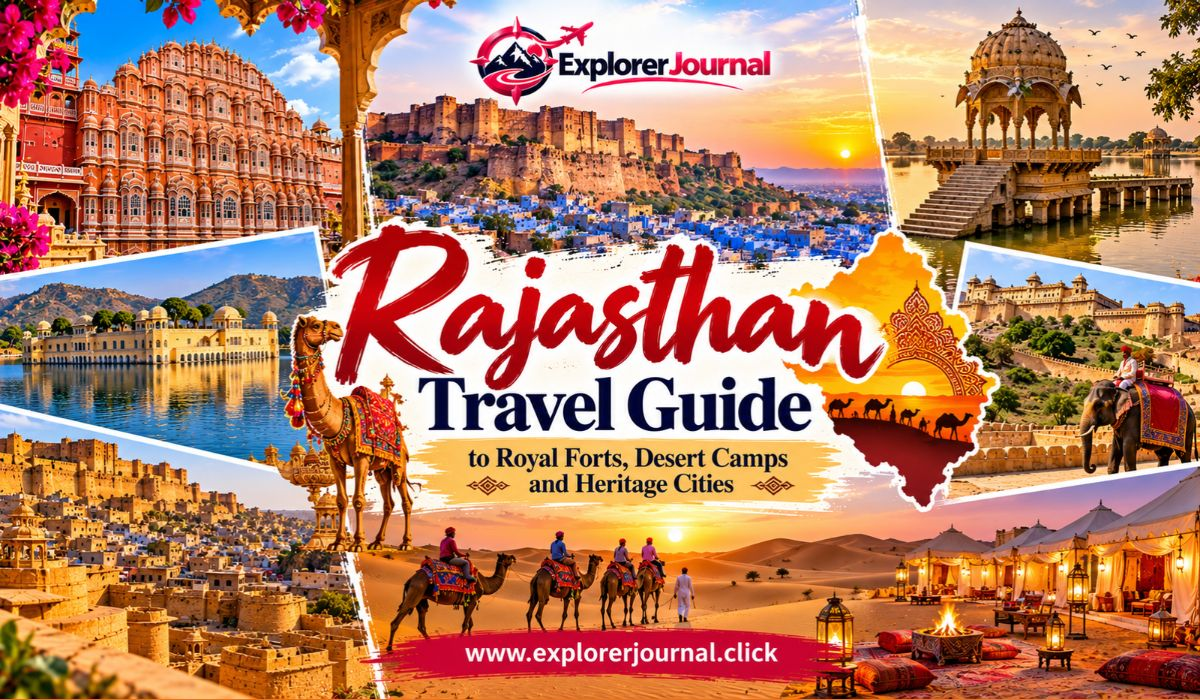
Rajasthan offers a remarkable journey through India’s royal history, desert landscapes, colourful markets and centuries-old architecture. Located in northwestern India, the state is famous for its magnificent forts, ornate palaces, traditional villages and vibrant cultural celebrations. From Jaipur’s historic streets to Jaisalmer’s golden sand dunes, every destination reveals a different side of Rajasthan’s heritage.
For travellers, Rajasthan is more than a collection of grand monuments. You can watch the sun set behind desert dunes, explore old merchant houses decorated with intricate carvings, browse markets filled with colourful textiles and experience traditional music beneath the night sky. Its historic cities also provide opportunities to learn about Rajput rulers, regional craftsmanship and the trading communities that helped shape the region.
However, Rajasthan covers a large area, and travel times between destinations can be considerable. Planning a practical route allows you to enjoy its landmarks without rushing through every city.
This Rajasthan travel guide to royal forts, desert camps and heritage cities covers the destinations, cultural experiences, regional dishes and travel tips that can help you plan a memorable holiday.
1. Why Visit Rajasthan?
Rajasthan is one of India’s most distinctive travel destinations because it combines historic architecture with dramatic natural scenery. The Thar Desert stretches across its western region, while the Aravalli hills, lakes and agricultural landscapes create variety elsewhere in the state.
The state’s royal heritage is visible in its forts, palaces, temples and historic city walls. Many of these landmarks reflect the influence of Rajput kingdoms, Mughal connections and regional trading networks.
Each city offers a different experience. Jaipur is known for its planned streets and pink-toned architecture, Jodhpur features blue-painted neighbourhoods beneath a towering fort, and Udaipur combines palaces with scenic lakes. Further west, Jaisalmer introduces visitors to desert settlements and sandstone architecture.
Rajasthan also has a strong cultural identity expressed through folk music, dance, textiles, jewellery and local cuisine.
For a first visit, consider combining three or four destinations rather than attempting to cover the entire state. This gives you time to appreciate the architecture, meet local artisans and experience the desert at a comfortable pace.
2. Explore Jaipur: The Pink City
Jaipur, Rajasthan’s capital, is an excellent starting point for exploring the state’s royal heritage. Its historic centre features broad streets, traditional markets and distinctive pink-coloured buildings.
Visit Hawa Mahal
Hawa Mahal is one of Jaipur’s most recognisable landmarks. Its elaborate facade contains numerous small windows designed to allow air to circulate through the building.
The structure was built in 1799 during the reign of Maharaja Sawai Pratap Singh. Its architectural details reflect the artistic traditions associated with Jaipur’s royal court.
Visit early in the day for photographs and a more comfortable sightseeing experience. Nearby markets also offer opportunities to browse textiles, jewellery and handicrafts.
Discover Amber Fort
Amber Fort stands on a hill outside central Jaipur and is known for its courtyards, gateways, decorative halls and views of the surrounding landscape.
The palace complex demonstrates the architectural and artistic influences that shaped Rajasthan’s royal residences. Allow sufficient time to explore its different sections rather than visiting only the main courtyard.
You can combine the fort with nearby viewpoints and other attractions around Jaipur. Arriving early helps you avoid some of the midday heat and larger tour groups.
Explore Jaipur’s Markets and Palaces
Jaipur’s City Palace complex provides insight into the region’s royal history, while Jantar Mantar showcases historic astronomical instruments.
The city’s markets are equally interesting. Visitors can browse block-printed fabrics, blue pottery, traditional jewellery and leather goods.
When purchasing handicrafts, ask about the materials and production methods. Buying from reputable local artisans can support traditional skills and provide a more meaningful souvenir.
3. Discover Jodhpur and Its Majestic Forts
Jodhpur, often called the Blue City, combines historic neighbourhoods with imposing fortifications and lively markets. The city’s blue-painted houses create a striking contrast against the dry landscape.
Explore Mehrangarh Fort
Mehrangarh Fort rises above Jodhpur on a rocky hill. Its enormous walls and elevated position offer sweeping views across the city.
Inside, visitors can explore palace rooms, decorative courtyards and museum collections that reflect the history of the Rathore rulers. Intricate carvings and richly decorated interiors demonstrate the craftsmanship associated with Rajasthan’s royal residences.
Allow several hours to explore the complex comfortably. The uphill setting and extensive grounds mean that comfortable footwear is useful.
Walk Through the Blue City
Jodhpur’s old neighbourhoods provide opportunities to observe everyday life beyond the major monuments. Narrow lanes lead past traditional houses, small temples, local shops and food stalls.
A guided walking tour can help explain the city’s architecture and the history behind its distinctive appearance.
Nearby Jaswant Thada, a marble memorial surrounded by gardens, offers a quieter stop with attractive views of the surrounding landscape.
Jodhpur is also an excellent place to sample local snacks and shop for textiles, spices and handmade leather products.
4. Experience Jaisalmer’s Desert Camps and Golden Landscapes
Jaisalmer is one of Rajasthan’s most distinctive destinations, known for its golden sandstone architecture and proximity to the Thar Desert. Its historic buildings seem to blend naturally with the surrounding sandy landscape.
Discover Jaisalmer Fort
Jaisalmer Fort rises above the city with golden walls and narrow streets containing homes, shops, temples and small restaurants.
Unlike many forts that function primarily as monuments, Jaisalmer Fort remains a living settlement. Visitors should therefore respect residents’ privacy and avoid entering private spaces without permission.
The fort’s historic lanes reveal carved balconies, decorative facades and traditional architecture shaped by centuries of trade and local craftsmanship.
Visit the Havelis
Jaisalmer’s historic havelis, including Patwon Ki Haveli and Nathmal Ki Haveli, are known for their elaborate sandstone carvings.
These merchant residences reflect the wealth and artistic traditions of trading communities that once connected Rajasthan with wider commercial networks.
Their balconies, windows and decorative details make them particularly appealing to architecture enthusiasts and photographers.
Spend an Evening in the Thar Desert
A desert excursion is one of the most memorable experiences around Jaisalmer. Sam Sand Dunes is a popular area for visitors seeking sunset views, camel rides and overnight camp experiences.
Many camps offer traditional music, folk dance performances and regional meals beneath the desert sky. Choose an operator that treats animals responsibly and follows local environmental guidelines.
Temperatures can drop significantly after sunset during cooler months. Carry warm clothing and confirm whether your camp offers suitable bedding, sanitation and transport arrangements.
For a quieter experience, ask about less-crowded desert locations and smaller camps that work with local communities.
5. Visit Udaipur: The City of Lakes
Udaipur provides a different atmosphere from Rajasthan’s desert cities. Surrounded by hills and lakes, it is known for its palace architecture, waterfront views and historic streets.
Explore City Palace
The City Palace complex overlooks Lake Pichola and contains courtyards, balconies, galleries and decorated rooms associated with the region’s royal history.
Its architecture combines different styles developed over several centuries. Visitors can enjoy panoramic views of the lake and surrounding city from selected areas within the complex.
Because the palace is extensive, allow enough time to explore its museums and courtyards without rushing.
Enjoy Lake Pichola
A boat ride on Lake Pichola offers views of waterfront buildings, surrounding hills and historic landmarks. The scenery is particularly attractive in the late afternoon, when the light softens across the water.
You can also walk along the lakefront, explore nearby temples or enjoy a meal at a restaurant overlooking the city.
Water levels and boating arrangements may vary with local conditions, so check availability before planning your visit.
Discover Udaipur’s Cultural Side
Udaipur’s old streets feature handicraft shops, miniature paintings, textiles and traditional jewellery. Visitors can also find cultural performances showcasing regional music and dance.
The city works well as a relaxing stop after exploring Jodhpur and Jaisalmer, especially if you want to combine heritage sightseeing with lakeside dining and slower evenings.
6. Discover Bikaner’s Desert Heritage
Bikaner is another worthwhile destination for travellers interested in Rajasthan’s desert history. Although it receives less attention than Jaipur or Udaipur, its architectural heritage and food traditions make it a rewarding addition to a longer itinerary.
Visit Junagarh Fort
Junagarh Fort is known for its ornate interiors, courtyards and richly decorated palace rooms. Unlike many hilltop forts in Rajasthan, it occupies relatively level ground within Bikaner.
The complex reflects different periods of royal patronage, with decorative features that include painted ceilings, carved stonework and elaborate furnishings.
A guided visit can help you understand the fort’s history and the artistic influences visible throughout the palace.
Explore Local Food and Markets
Bikaner is famous for savoury snacks, particularly bhujia, as well as sweets and other regional specialities.
Local markets also sell textiles, handicrafts and traditional items. Exploring these streets offers a chance to experience the city’s everyday atmosphere rather than focusing exclusively on its monuments.
Bikaner can fit into a western Rajasthan route, especially if you have additional days beyond the major tourist cities.
7. Experience Rajasthan’s Local Culture and Traditions
Rajasthan’s cultural identity is reflected in its music, dance, clothing, crafts and festivals. These traditions developed through royal patronage, rural livelihoods, trade and community celebrations.
Enjoy Folk Music and Dance
Traditional performances may feature instruments such as the dholak, sarangi and kamayacha, alongside expressive singing and dance.
Different communities have their own performance traditions. Kalbelia dance, associated with the Kalbelia community, is known for its flowing movements and colourful costumes.
Cultural performances can be found at selected heritage venues, festivals and organised desert camps. Choose programmes that present local traditions respectfully and provide fair opportunities for performers.
Discover Handicrafts and Textiles
Rajasthan is renowned for block printing, embroidery, blue pottery, leatherwork, jewellery and miniature paintings.
Jaipur is a popular destination for textiles and gemstones, while Jodhpur and Udaipur offer a range of traditional crafts and decorative products.
Visitors interested in craftsmanship can look for workshops or demonstrations led by local artisans. Ask about the production process and whether items are handmade or commercially produced.
Visit During Local Festivals
Festivals can provide insight into Rajasthan’s cultural life. The Pushkar Camel Fair combines livestock trading with cultural activities, while the Desert Festival in Jaisalmer features performances and celebrations associated with desert heritage.
Festival dates vary, so check the current calendar before making travel arrangements. Accommodation may become limited during major events.
When attending celebrations, respect religious practices, avoid obstructing ceremonies and ask permission before photographing individuals.
8. Rajasthani Food Every Traveller Should Try
Rajasthani cuisine reflects the state’s arid climate, traditional cooking methods and use of ingredients that can be stored for longer periods. Many dishes feature lentils, gram flour, spices and dairy products.
Dal baati churma: A traditional combination of lentils, baked wheat dumplings and a sweet crumbled wheat preparation. It is one of Rajasthan’s best-known meals.
Gatte ki sabzi: Gram-flour dumplings cooked in a spiced yoghurt-based gravy, commonly served with roti or rice.
Ker sangri: A regional preparation made with desert beans and berries, typically cooked with spices.
Laal maas: A rich, spicy meat curry associated with Rajasthan’s royal culinary traditions. The heat level varies by recipe and restaurant.
Pyaaz kachori: A savoury pastry filled with spiced onion, popular as a snack in several Rajasthani cities.
Ghewar: A traditional sweet with a distinctive honeycomb-like shape, often prepared for festivals and special occasions.
Food preferences vary across the state, and vegetarian options are widely available. Ask about ingredients and spice levels when ordering, especially if you have dietary restrictions.
9. Best Time to Visit Rajasthan
The period from October to March is generally popular for visiting Rajasthan because daytime temperatures are often more comfortable for sightseeing.
November and February can be particularly appealing for exploring forts, walking through heritage cities and taking desert excursions. However, evenings in the desert and early mornings in some areas can be cold, so bring suitable layers.
April to June can bring intense heat, particularly in western Rajasthan. If you travel during this period, plan outdoor activities early in the morning, stay hydrated and take breaks during the hottest hours.
The monsoon season, usually from around July to September, can bring rainfall and greener landscapes. Weather varies by region, and heavy rain may affect some journeys.
For desert camping, cooler months are often more comfortable. Confirm camp availability, transport arrangements and seasonal activity schedules before booking.
10. Practical Tips for Planning Your Rajasthan Trip
Plan your route carefully. Jaipur, Jodhpur, Jaisalmer and Udaipur are popular stops, but travel between them takes time. Allow several nights for the main destinations rather than moving every day.
Choose suitable transport. Trains connect several major cities, while private cars can provide flexibility for smaller towns and rural excursions. Check road conditions and journey times before departure.
Book heritage accommodation early. Popular hotels and desert camps can fill up during winter holidays, festivals and peak travel periods.
Dress for changing temperatures. Lightweight clothing suits warm afternoons, while a jacket or warm layer is useful during desert evenings and winter mornings.
Respect religious sites and local customs. Dress modestly when required, remove footwear at designated places and ask before photographing people or private property.
Support local businesses. Purchase authentic handicrafts from reputable artisans and choose community-led cultural experiences where practical.
Check travel requirements. Confirm current entry rules, identification requirements and relevant health advice before travelling. Carry suitable travel insurance and keep important documents secure.
Key Takeaways
- Rajasthan combines royal forts, historic cities, desert landscapes and distinctive cultural traditions.
- Jaipur is ideal for exploring palace architecture, markets and historic landmarks.
- Jodhpur and Jaisalmer offer impressive fortifications, traditional neighbourhoods and desert experiences.
- Udaipur provides scenic lakeside views, palace architecture and a more relaxed atmosphere.
- Bikaner adds further insight into desert heritage and regional food traditions.
- October to March is generally a popular season for sightseeing and desert camping.
Frequently Asked Questions
1. How many days are enough to explore Rajasthan?
Seven to ten days can cover three or four major destinations, while two weeks allows a more relaxed journey with additional towns and desert experiences.
2. Which city is best for a first trip to Rajasthan?
Jaipur is a convenient starting point because it offers major historical attractions, markets, transport connections and a broad introduction to Rajasthani culture.
3. Where can you experience desert camping in Rajasthan?
Jaisalmer is one of the best-known destinations for desert camping, particularly around Sam Sand Dunes, where visitors can enjoy sunset views and selected cultural activities.
4. What is the best month to visit Rajasthan?
November and February are popular choices for comfortable sightseeing, although October, December and March can also be suitable depending on local weather and your itinerary.
5. What food should you try in Rajasthan?
Dal baati churma, gatte ki sabzi, ker sangri, pyaaz kachori and ghewar are among the regional dishes and sweets worth trying.
Rajasthan offers a distinctive travel experience shaped by royal architecture, desert scenery and living cultural traditions. Jaipur’s grand palaces introduce visitors to the state’s historic splendour, while Jodhpur’s towering fort and Jaisalmer’s golden sandstone buildings reveal the architectural character of western Rajasthan.
The journey becomes even more memorable when you look beyond monuments. A night at a desert camp, a conversation with a local artisan or a meal featuring traditional Rajasthani recipes can provide a deeper understanding of the region.
Udaipur’s lakes and Bikaner’s heritage add further variety, making it possible to build an itinerary that combines history, relaxation and cultural discovery.
With realistic travel plans, suitable seasonal preparation and respect for local communities, Rajasthan can offer an unforgettable holiday filled with magnificent forts, colourful markets, desert sunsets and meaningful encounters with India’s rich heritage.